The French name apocyne chanvrin is associated with Apocynum cannabinum, commonly called hemp dogbane. It is not culinary hemp and is not a vegetable. NC State Extension identifies high-severity poison characteristics and considers all parts toxic to people and mammals. This reference does not recommend eating, medicinal use or home preparation of the plant.
Why the name needs care
Common names can suggest relationships that are not useful for deciding safety. The word “hemp” in this name does not make it interchangeable with a food crop. Likewise, an old retailer URL is evidence that a name appeared on a website, not proof of a plant's identity in your garden.
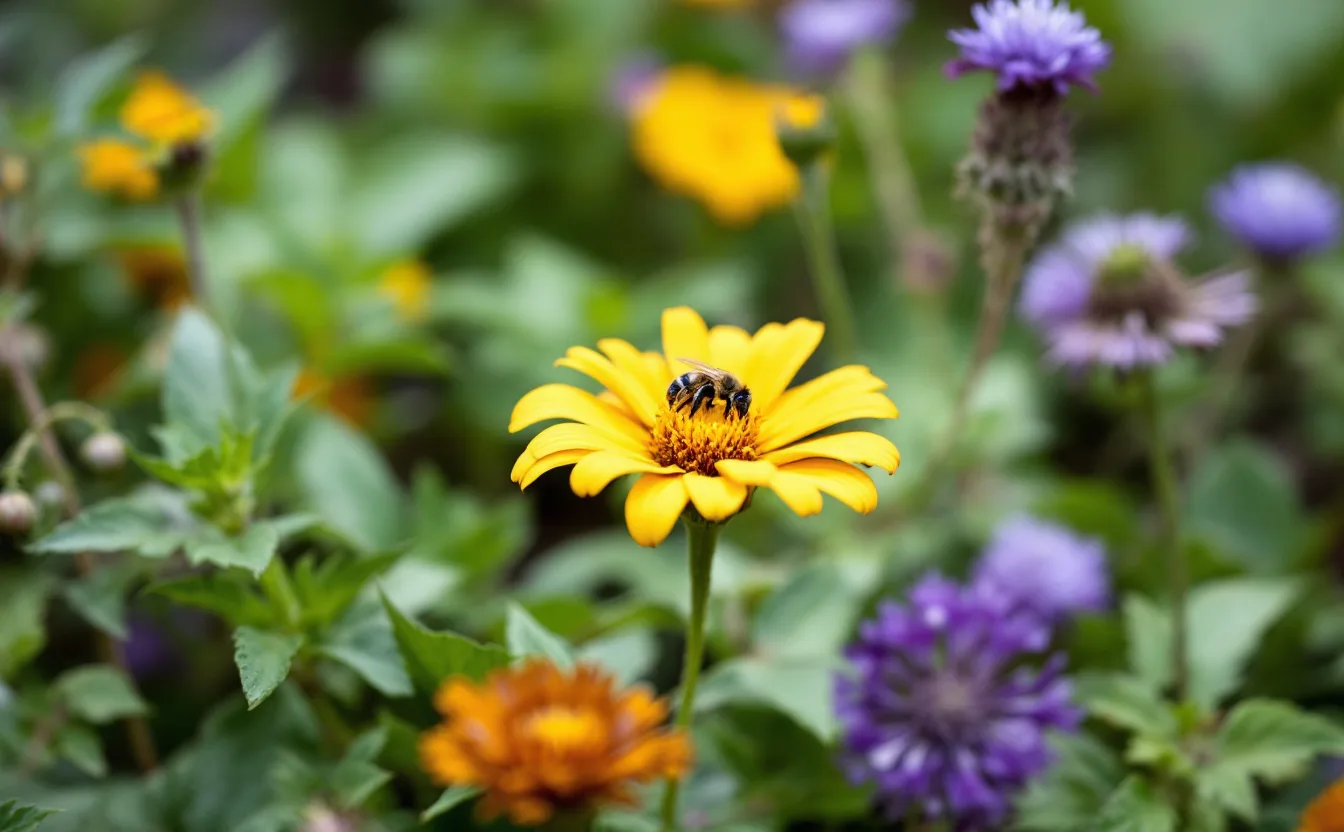
If you have an unknown plant, do not use the generated garden image on this page to identify it. The image is scene-setting artwork and does not depict a verified specimen. Consult a qualified local plant-identification service and reliable botanical material. Keep uncertain plants away from edible harvests.
What the botanical reference establishes
NC State describes a perennial with milky sap, small greenish-white flowers and spreading rhizomes. Its account warns about aggressive growth and does not recommend it for ordinary garden use. Those facts help explain why a general flower-border or kitchen-garden recommendation would be inappropriate here.
The same source discusses its ecological context. Habitat value does not cancel toxicity or make a plant suitable for every domestic setting. A naturalized area, a garden with pets and a small edible bed are different situations. Local species guidance and the needs of the site must control any planting decision.
Keep identification separate from management
A name on a packet should be checked against the supplier's botanical identification and current local restrictions. Do not collect or move a plant on the assumption that its appearance matches a short online description. If management or removal is needed, use local professional guidance appropriate to the confirmed species and site.
Do not experiment with the sap or historical medicinal uses. Historical use is not a safety assessment. If a suspected exposure occurs, seek appropriate local medical or poison-information advice rather than relying on a gardening page to assess it.
Better questions for a flowering edge
If your original aim was to add flowers beside vegetables, start with a locally suitable list of identified plants and consider the people and animals who use the space. Our flowering-edge guide explains how to assess bloom period, access and plant behaviour without treating one species as a universal solution.
Return to the kitchen-garden directory for edible-crop references. This page is intentionally excluded from shopping placements: it is an identification and safety note, not a recommendation to obtain the plant.
Primary reference
NC State Extension Gardener Plant Toolbox: Apocynum cannabinum. The reference supports the species-level toxicity and growth warnings; it does not authenticate any plant, seed lot or historical sale associated with this URL.