Flowers can make a kitchen garden more inviting and provide resources for visiting insects. A useful planting plan, however, needs more than a list of attractive species. It should account for the place, the time of flowering, the mature size and what happens after the display is over.
Begin with a small edge you can observe. A narrow strip beside a vegetable bed can teach you which plants settle well, when they bloom and how they affect access. The aim is a living part of the garden rather than a decorative border that becomes an obstacle at harvest.
Start with the conditions on the edge
The margin of a bed may be drier, shadier or more disturbed than its centre. Paths shed water, walls reflect heat and nearby crops change the light as they grow. Observe those conditions before choosing plants from a photograph taken in a different garden.
Check the soil and the practical boundaries. Does the edge need to leave room for a wheelbarrow? Will a hose be dragged across it? Can you reach the vegetables without stepping on the flowers? A planting that blocks ordinary work is likely to be cut back at the wrong time or neglected.
Choose a scale that fits your attention. A short, well-understood strip is easier to manage than a long mixture of unfamiliar plants. Expand after you have seen a full season, including the period when the flowers are no longer at their best.
Prefer a local plant list to a universal mix
A plant that supports wildlife in one region may be unsuitable or invasive in another. Consult a local extension service, native-plant organization or recognized horticultural reference. Check the species, not only a broad common name printed on a packet.
A mixed seed packet can be convenient, but read the species list. If the list is absent, you cannot assess the plants' mature size, life cycle or local suitability. Attractive packaging is not a substitute for knowing what will be sown.
Avoid assuming that “wildflower” means native to your area or that “pollinator mix” guarantees a useful sequence of bloom. Those are labels that need supporting information. A smaller selection of identified plants can be easier to evaluate and maintain than a mystery mixture.
Choose for the job
A few useful features to look for before buying.
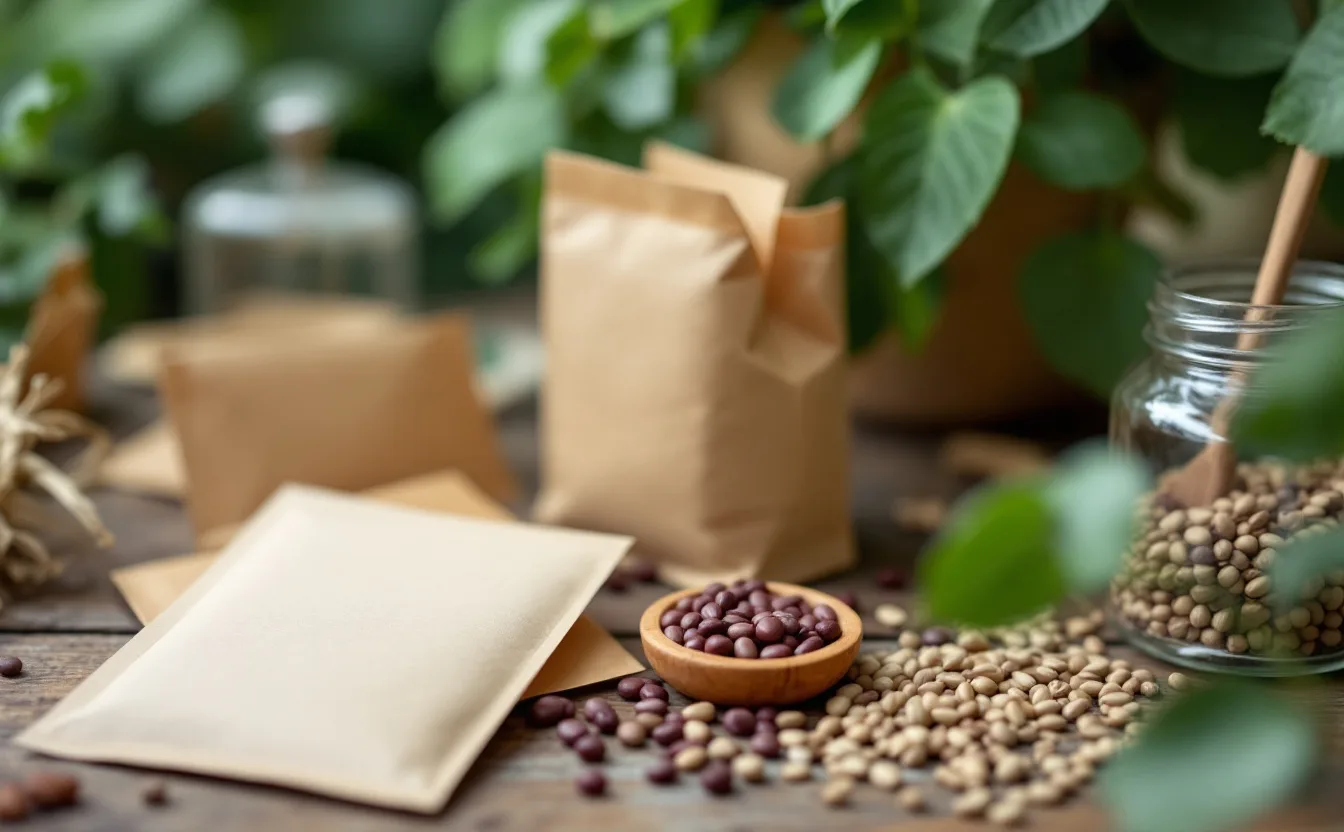
Plain paper seed envelopes
Dry seed first. Mark the crop, variety and harvest date before storing packets in a cool dry place.
Read the buying checklist →Deep, reusable seed modules
Look for firm walls, open drainage and a tray that fits your shelf. Small cells need earlier potting on.
Read the buying checklist →Think in flowering periods
A border full of one species may be busy during a brief flowering peak and offer little before or after it. Consider overlapping periods rather than only maximum colour on one date. The exact timing depends on climate and conditions, so use local information and your own observations.
Include different flower structures where appropriate to the place and the insects you hope to support. Do not promise that one ornamental feature serves every pollinator equally. Diversity is useful when it is grounded in suitable plants rather than a long list assembled without regard to the site.
Keep a simple flowering record. Note when a plant begins, when it is most active and when it finishes. After a season, gaps become visible. The next addition can then address a real gap rather than merely adding another plant that flowers during the same crowded fortnight.
Leave vegetables their working space
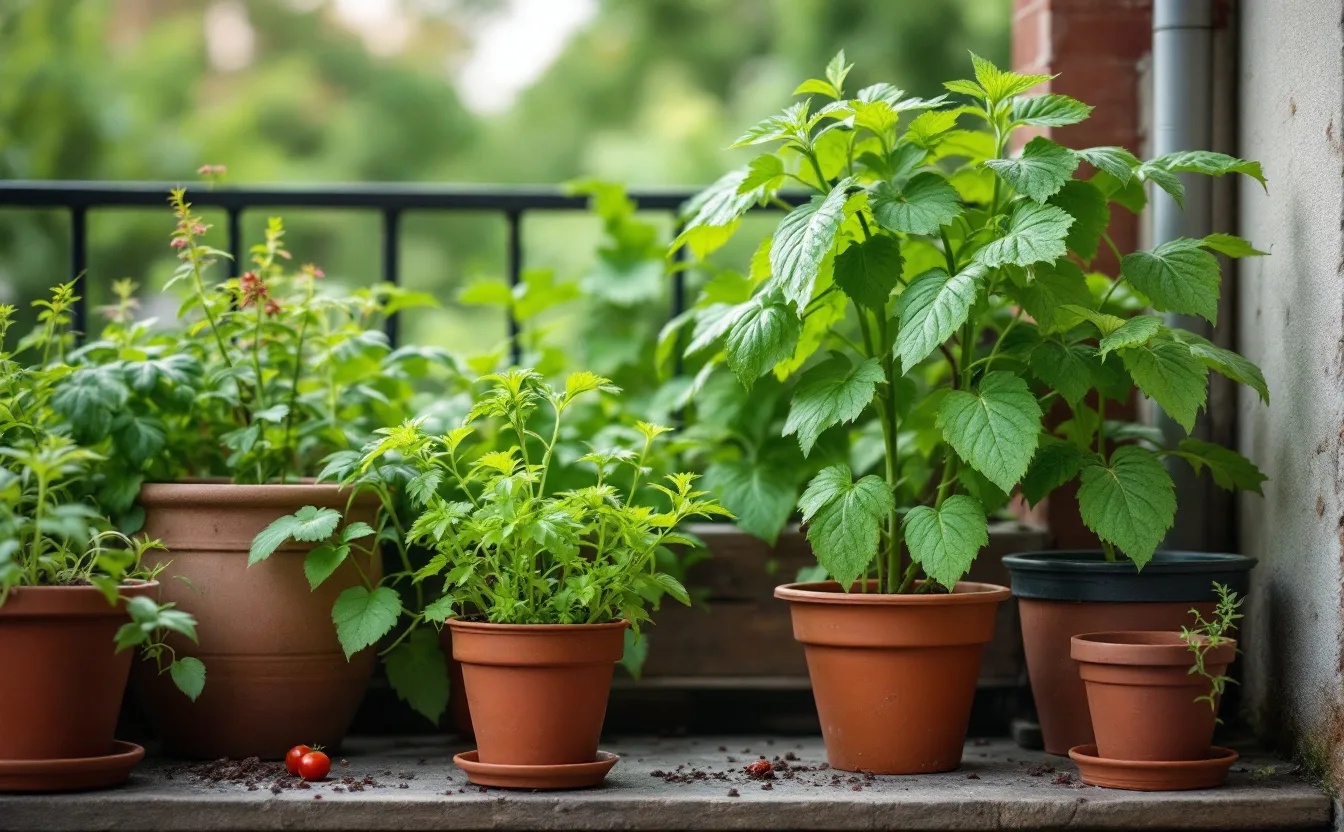
Place flowers with their mature width in mind. A seedling that fits neatly beside a path can later lean across it. Taller plants may shade a short crop or make watering and inspection awkward. Decide where that shade is acceptable before the border fills out.
Keep room around crops that need frequent picking. If reaching beans or tomatoes means pushing through flowers every day, both parts of the planting may suffer. A deliberate access gap is not wasted space; it is what allows the garden to keep functioning.
Consider roots and water as well as height. Plants share a limited resource area, especially in containers or small beds. Do not assume every flowering neighbour improves a vegetable's performance. Compatibility involves conditions and management, not simply being listed together in a companion-planting chart.
Be cautious with pest-control claims
You may see claims that a particular flower repels all pests or guarantees protection for a neighbouring crop. Such claims often omit the pest, conditions, study method and limitations. A pleasant scent to a person is not evidence of reliable field protection.
Flowers can be part of a more diverse garden, but continue inspecting vegetables. If a pest appears, identify it and assess the damage. The presence of a companion plant does not mean no further action is needed, and the absence of damage does not prove that plant caused the result.
Use established integrated pest-management guidance where needed. Physical protection, sanitation, timing and other methods may be appropriate depending on the problem. Any pesticide use must follow local rules and the label, with attention to pollinators and edible-crop restrictions.
Decide how the plants will reproduce
Annuals, biennials and perennials create different maintenance patterns. Some annuals self-sow readily; some perennials spread beyond the original clump. That behaviour may be welcome in a loose border and inconvenient beside a carefully organized vegetable bed.
Learn what the young plants look like so desirable seedlings can be distinguished from weeds. Do not keep every volunteer simply because it is free. Select the plants that fit the plan and remove surplus before they compete heavily with crops.
If collecting seed, label it accurately and understand the pollination and identity limits. The seed-storage guide explains the recordkeeping. Seed sharing should not turn an unidentified or locally unsuitable plant into someone else's problem.
Manage the end of flowering thoughtfully
Deadheading can extend flowering for some plants, while leaving seed heads may provide another kind of seasonal interest or resource. The right choice depends on the species, local guidance and your goals. It is not necessary to apply the same cleanup method to every stem.
Consider habitat guidance relevant to your region before cutting all material at once. Some insects use stems or other plant structures. At the same time, diseased or problematic material may need a different response. A blanket instruction to leave everything is no more useful than a blanket instruction to remove everything.
Keep paths and access safe. A thoughtful wildlife edge can still be orderly where people need to walk and work. Mark the boundary clearly so retained stems look intentional and are not repeatedly flattened during ordinary garden tasks.
Add water with care, not decoration alone
If you include a water feature for wildlife, learn how to manage it appropriately for the location. A container of standing water can create maintenance and mosquito concerns. A pretty vessel is not automatically a useful habitat feature.
Keep any water arrangement stable, accessible for cleaning and away from places where it creates a slip hazard. Consider children and pets. Do not add a feature that you cannot maintain simply because a garden photograph made it appear effortless.
The same principle applies to insect hotels and other accessories. Materials, siting and maintenance determine their value. Begin with suitable planting and informed habitat practice before buying decorative equipment marketed as a complete ecological solution.
Observe without overclaiming
A notebook entry such as “small bees visited these flowers on three sunny mornings” is useful. It is more honest than “this border restored biodiversity” without evidence. You can enjoy the activity and learn from it without turning a small garden observation into a broad scientific claim.
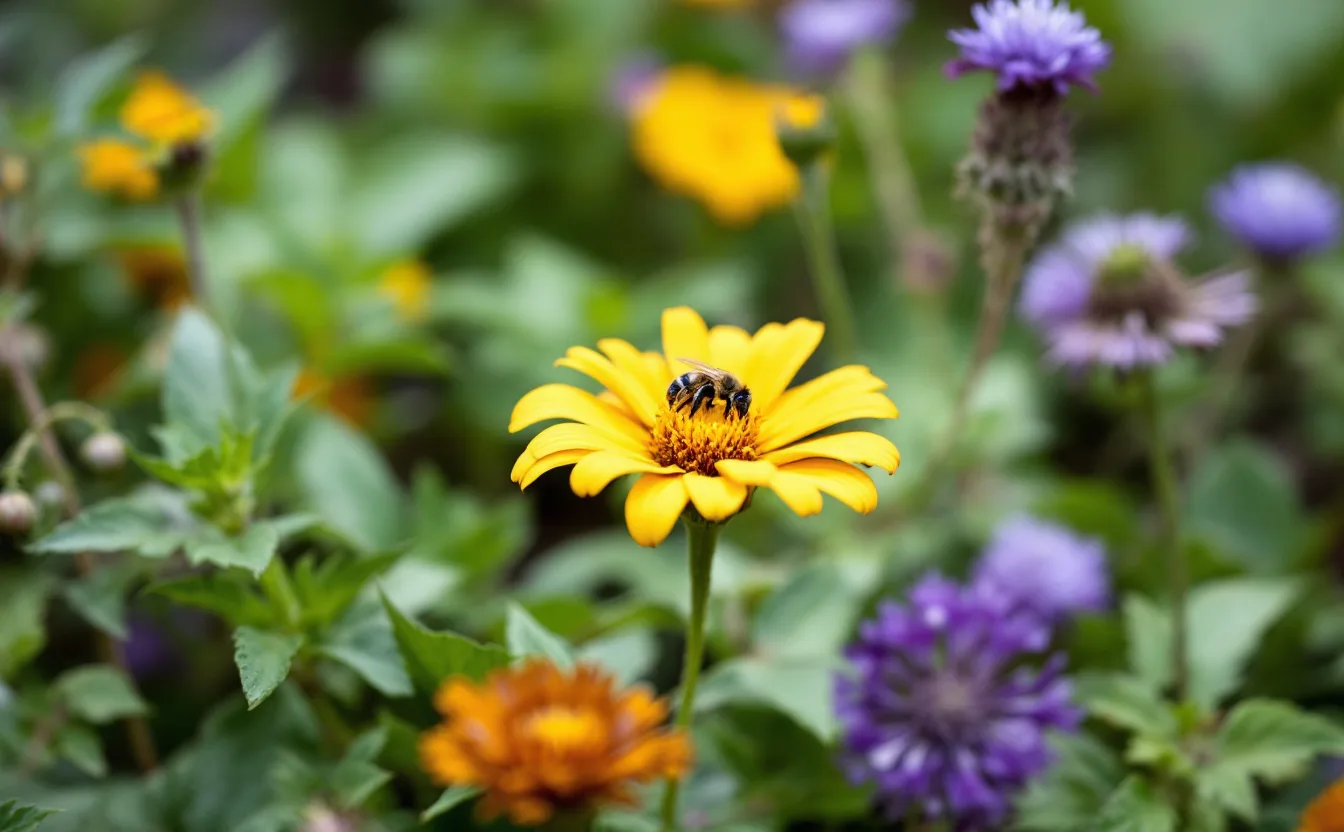
Take photographs for your own record, but avoid identifying insects beyond your confidence. Local natural-history groups and extension resources can help. The photograph on this page is generated garden artwork and is not an identification reference or a record of a particular wildlife survey.
Notice absences as well as visits. Weather, nearby habitat and time of day affect what you see. A quiet afternoon does not establish that a plant is useless, just as one busy moment does not prove year-round value.
A practical first-year plan
Choose a few identified, locally suitable plants with different flowering periods. Leave an access gap, label the species and record their mature size. Make one observation each week when you are already checking the vegetables. This keeps the project manageable and connected to real garden work.
At season's end, retain what fitted the space and reconsider what became awkward or failed to establish. Replace one problem at a time. The most useful border is one you understand well enough to care for, not the one with the longest species list.
Sources and further reading
Use Xerces Society's pollinator conservation resources and RHS plants for pollinators guidance as starting points, then check regional suitability. For the neighbouring crops, browse the kitchen garden. The potting bench keeps equipment choices separate from unsupported promises about wildlife outcomes.
Keep it simple
A few useful features to look for before buying.
Plain paper seed envelopes
Dry seed first. Mark the crop, variety and harvest date before storing packets in a cool dry place.
Read the buying checklist →Deep, reusable seed modules
Look for firm walls, open drainage and a tray that fits your shelf. Small cells need earlier potting on.
Read the buying checklist →