The French common name concombre d'âne is used for Ecballium elaterium, often called squirting cucumber. The familiar word “cucumber” should not be taken as permission to eat it. The Écomusée de la Vallée du Gapeau identifies the name with this species and warns that the plant is toxic.
This page does not provide a growing, tasting or medicinal-use recommendation. It preserves the subject of a historical URL while making the important distinction from an ordinary edible cucumber clear.
A common name is not a food label
Plants can share words in their common names without sharing safe uses. A seed packet or an old product page needs a reliable botanical identity before it can support a cultivation decision. An unknown plant should never enter a harvest basket merely because someone called it a cucumber.
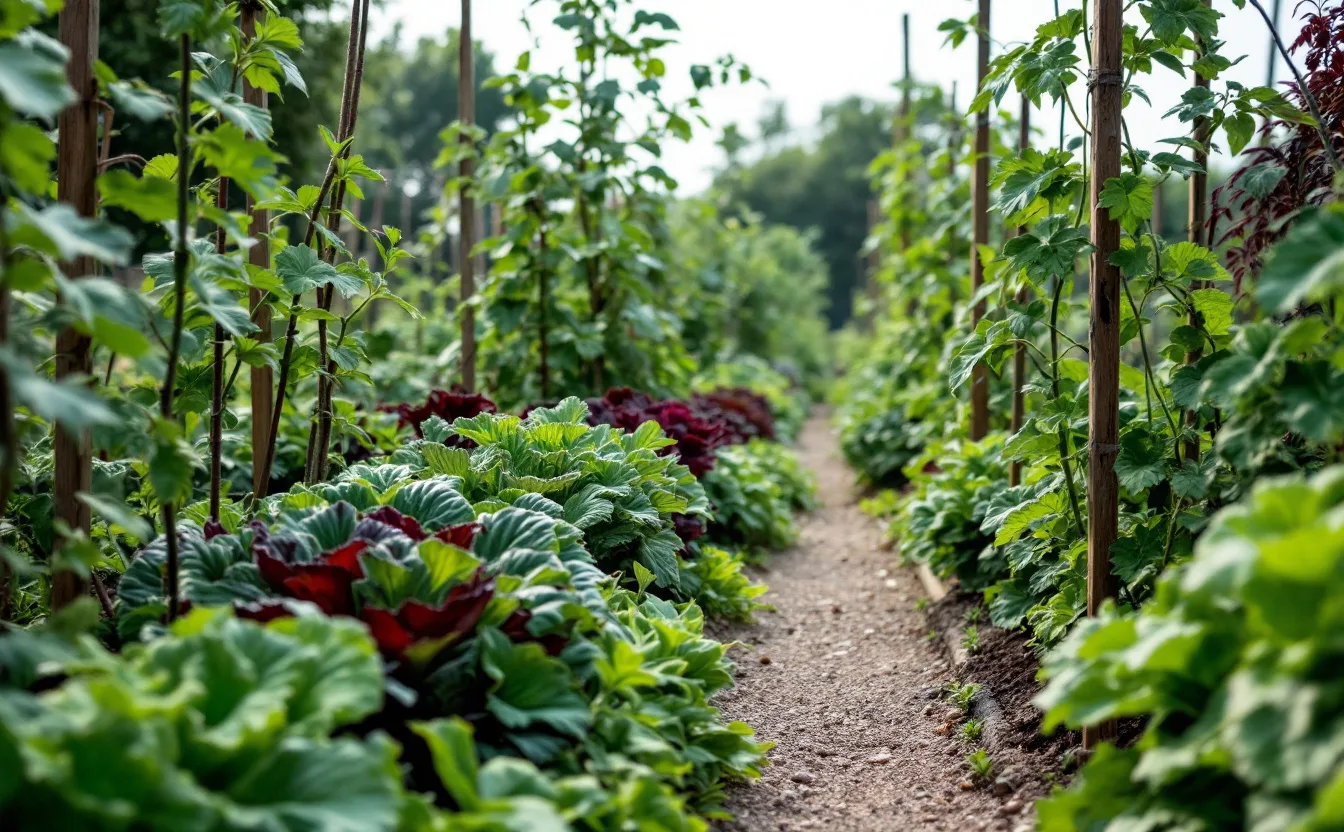
The generated photograph on this page is a general kitchen-garden scene. It is not a diagnostic image of Ecballium elaterium. Do not compare an unknown plant to it for identification. Use a qualified local service and authoritative botanical references when identity matters.
Do not experiment with the fruit
The plant's unusual seed-dispersal behaviour has attracted curiosity, but novelty is not a reason to handle unfamiliar fruit near the face or to demonstrate it to children. Historical medicinal references are not a basis for home treatment. This guide deliberately omits preparation instructions.
If you believe there has been exposure, seek appropriate local medical or poison-information advice. A web page cannot determine the dose, route or severity of a particular incident. Keep the plant's confirmed identity and circumstances available for the professional handling the question.
What an edible cucumber plan looks like
For kitchen growing, choose clearly identified edible cucumber seed from a reliable supplier. The botanical and variety description should explain what is sold, how it grows and the intended harvest. Keep the packet through the season so similar-looking seedlings do not lose their identities.
Our Marketmore 97 reference concerns an edible cucumber variety name, with appropriate limits around unverified seed-lot claims. The container planning guide covers practical space and watering questions. Neither should be applied to an unidentified plant from this page's common-name group.
Why this page remains here
Older links can still bring readers to a product-shaped path. Redirecting it to a shopping page for ordinary cucumber seed would hide the distinction that matters most. Keeping a clear reference at the same path lets a reader understand why the old name requires care.
No seed is sold here, and no claim is made about a former retailer's inventory. This page carries no shopping placements. For other identified crop topics, return to the kitchen-garden directory.
Reference
Écomusée de la Vallée du Gapeau: Concombre d'âne. This regional botanical account identifies the common name and warns against use because of toxicity. It does not identify a plant in the reader's possession.