The historical path combines “beargrass” with the French form of Xerophyllum tenax. The US Forest Service's species review uses Xerophyllum tenax for common beargrass. This is a botanical reference subject, not a kitchen herb recommendation.
Common names are shared among different plants. Confirm the scientific name on any current seed or nursery listing before using a propagation or habitat guide. The word “grass” also does not establish the plant's botanical family or management needs.
Habitat information has a purpose
A species review describes where a plant occurs and how it behaves in ecological settings. It is valuable context, but it is not automatically a complete home-garden instruction sheet. A wild habitat can involve seasonal moisture, soils and ecological relationships that are difficult to reproduce in a pot.
Use regional native-plant guidance if you are considering a suitable planting. Check whether the species belongs in your location and whether obtaining material is lawful and appropriate. Do not collect wild plants or seed merely because a general reference describes them as widespread.
Propagation needs species-specific evidence
An ordinary vegetable sowing calendar does not cover every perennial. Dormancy, stratification, germination conditions and the time needed to establish a plant may differ substantially. Follow a reliable propagation protocol for the confirmed species and seed source.
Keep any trial clearly labeled and separate from edible crops. Record the source, treatment and dates. A seed that does not germinate promptly has not necessarily failed; equally, waiting indefinitely without understanding the protocol is not a useful method.
Pictures cannot authenticate a plant
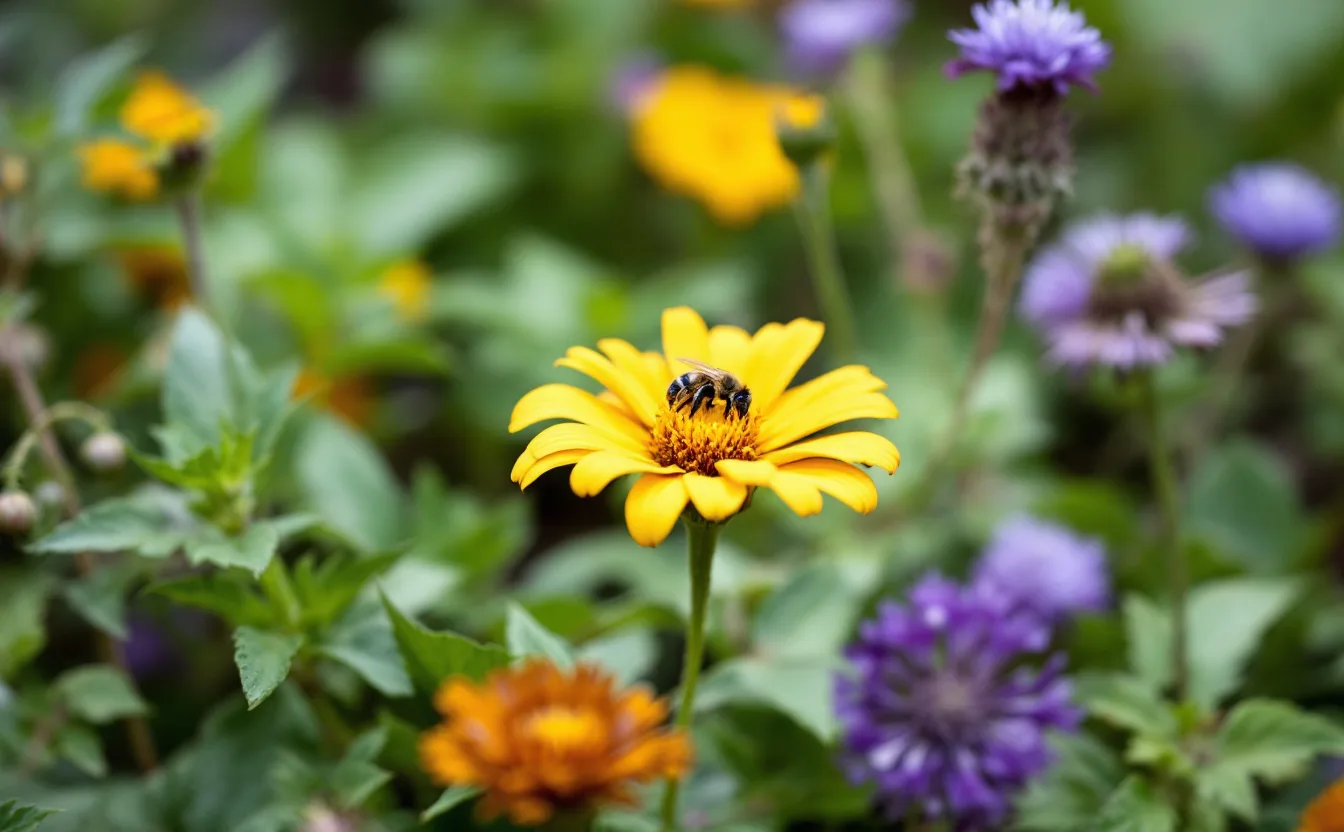
The image on this page is generated garden artwork, not a verified photograph of beargrass. Use the botanical references and competent local identification help to assess a real specimen. Do not use this page to decide whether an unknown plant is edible or suitable for medicinal use.
If your aim is a flowering border beside vegetables, choose plants from a locally appropriate list and plan their mature size and maintenance. Our flowering-edge guide provides a process for those decisions without assuming this particular species is the right choice.
Keep the original question clear
This URL now provides information about a name that appeared in older seed-related links. It does not offer seed for sale, certify a supplier or claim continuity with the former shop. A current purchase needs current documentation, including identity and suitable growing instructions.
The kitchen-garden directory separates edible crop references from botanical identification notes. That distinction is more useful than placing every historic seed name in the same shopping category.
Primary reference
US Forest Service: Xerophyllum tenax, common beargrass. The review supplies botanical and ecological context. Regional horticultural advice is needed before translating that context into a planting plan.