The old URL spells the name “dregenaum”. The botanical name Allium dregeanum is listed by Kew's Plants of the World Online as a synonym of Allium synnotii. Keeping the old path useful therefore begins with resolving the name, not with inventing growing instructions from the phrase “wild onion”.
A taxonomic synonym is a naming relationship. It does not establish the identity of a seed lot, confirm edibility or prove that an unfamiliar plant in the garden is the species described. Those questions need their own evidence.
Why spelling matters
A small spelling change can make it difficult to find the right botanical information. Preserve the historical spelling when explaining an old link, but use the documented scientific name for further research. Keep both in your notes so you can trace how you reached the current reference.
If a supplier uses the older name, ask how it identifies the material and what current botanical reference it follows. A familiar common name is not enough when different species may be confused. Do not assume the old name makes the seed more authentic or the newer name makes it a different physical plant.
Do not infer a kitchen use
The presence of Allium or “onion” in a name is not a safe identification procedure. An unknown plant should not be tasted to establish whether it belongs to an edible group. Lookalikes and uncertain labels make that approach unsuitable.
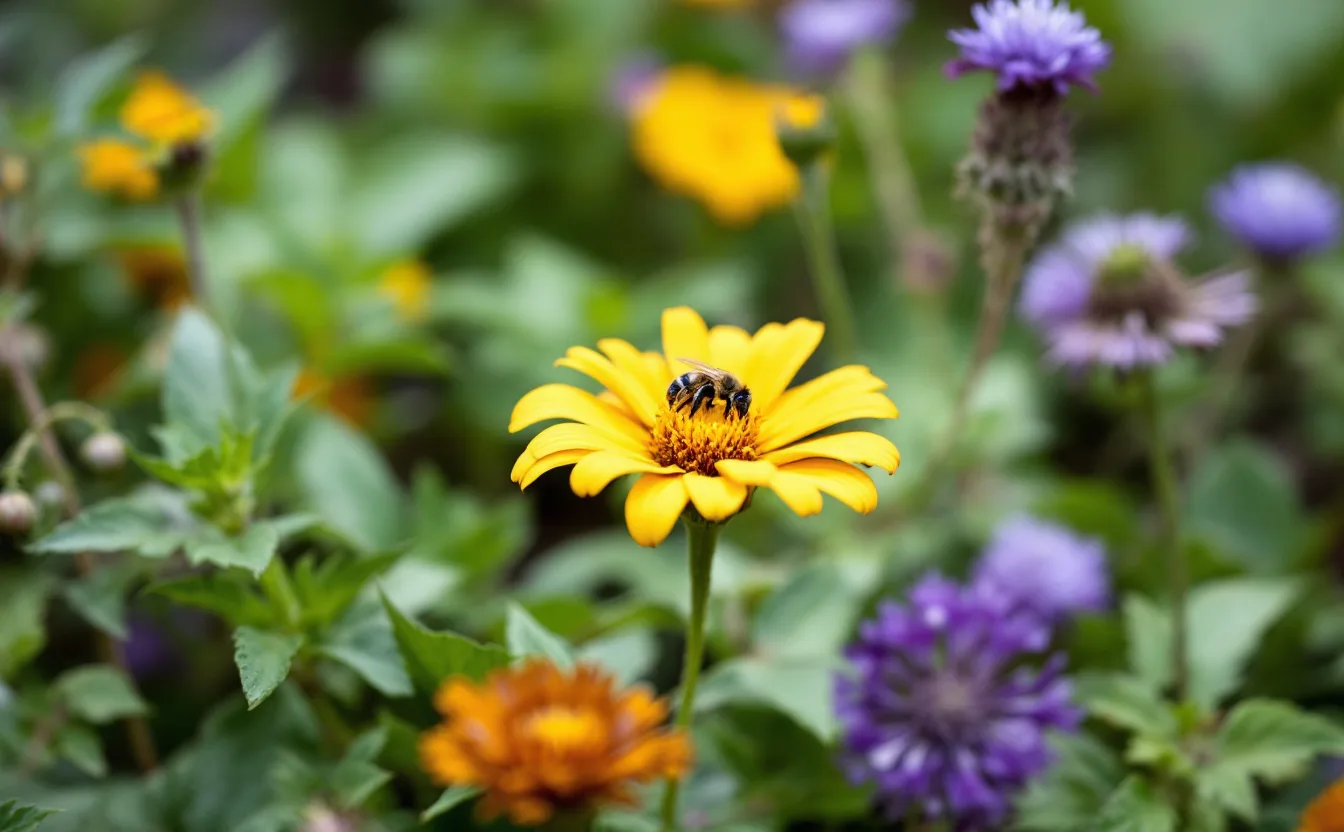
This page does not recommend eating, medicinal use or collecting wild material. The generated garden image is not a verified specimen and cannot be used for identification. Seek qualified local help where a real plant's identity or safe management is uncertain.
A planting plan needs more information
Before considering cultivation, establish the accepted identity, origin of the material, local suitability and a reliable propagation protocol. Climate and seasonal growth patterns may differ from familiar kitchen onions. An indoor vegetable planner is not designed to answer those questions.
Document the source and any treatments used if a legitimate, suitable propagation trial is undertaken. Keep it separate from culinary crops and clearly labeled. Follow local rules on plant movement and invasive species rather than assuming a historic seed-shop listing establishes permission everywhere.
An alternative route for the original goal
If you came here looking for an ordinary edible onion crop, begin with a reliably identified culinary variety and a locally appropriate growing guide. Decide whether you want leaves, bulbs or another harvest form, then choose a method suited to that crop.
The kitchen-garden directory and seed-starting guide help organize those practical questions. This reference is intentionally kept separate from shopping placements because resolving the identity comes first.
Primary reference
Kew Plants of the World Online: Allium dregeanum, consulted 23 October 2026. Taxonomy can change; consult the live record when the name is important to a purchase, collection or planting decision.