
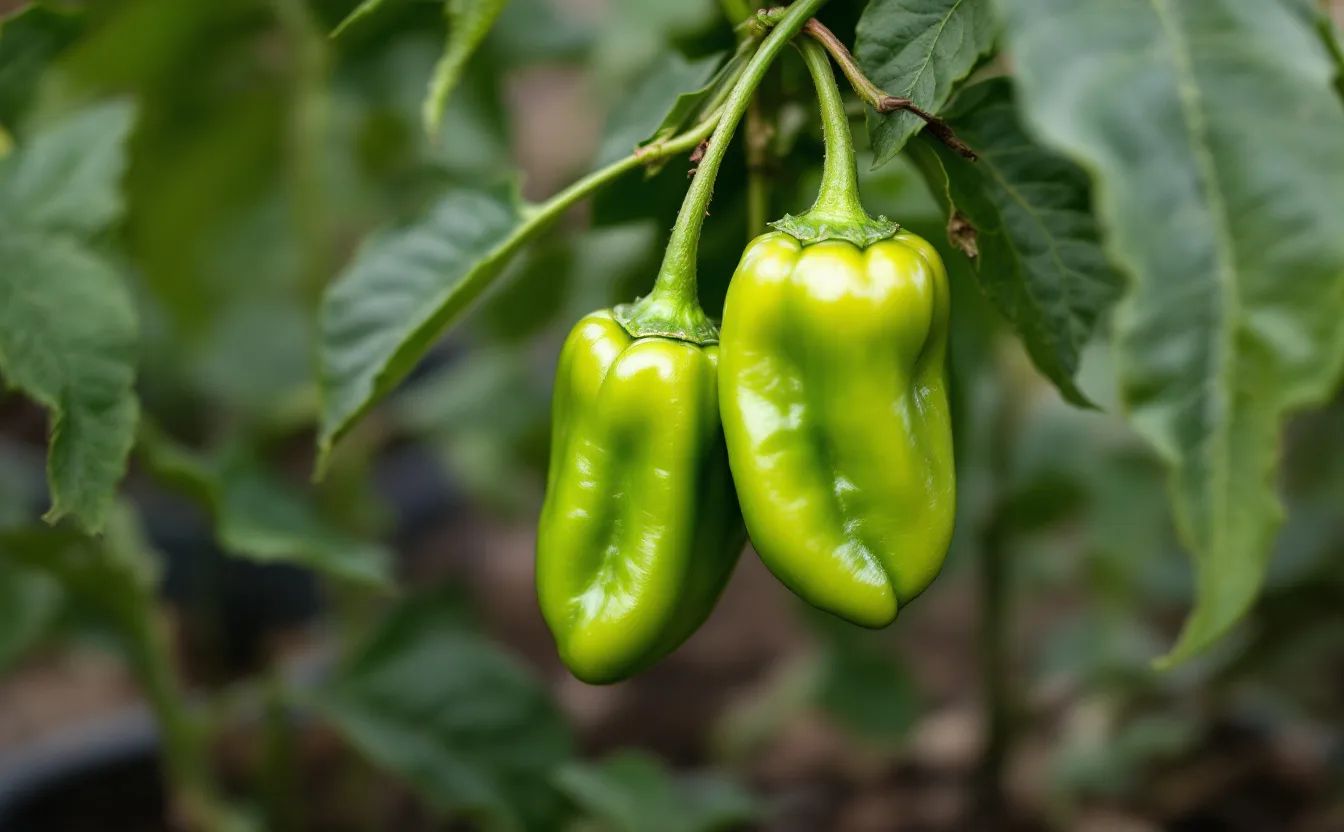
Hungarian Hot Wax is a familiar pepper name, but similar-looking pale peppers are not necessarily the same variety or heat level. Keep the supplier's label through every stage. The trailing number in this historical URL is a website artifact, not evidence of a distinct cultivar.
Decide what belongs in your garden
Plan the intended harvest stage and kitchen use. A pepper picked earlier for fresh cooking and one left to mature fully occupy the plant for different periods. Catalogue maturity figures need their stated starting point and harvest stage before they are useful in a seasonal plan.
A first-season plan
Manage the crop as a tender pepper, with suitable warmth, light, root space and gradual hardening off. Handle hot peppers thoughtfully in the kitchen, and use tested instructions for preserving. Do not assume that a named variety produces a uniform heat experience under all growing conditions.
Choose for the job
A few useful features to look for before buying.
Weather-resistant plant labels
Enough writing room for variety and sowing date matters more than decoration.
Read the buying checklist →Deep, reusable seed modules
Look for firm walls, open drainage and a tray that fits your shelf. Small cells need earlier potting on.
Read the buying checklist →Keep the useful details together
Before sowing, write the supplier, lot or packet reference, variety spelling and date in your notebook. Keep the packet until the crop is finished. If several varieties share a tray, use a tray map as well as labels so an accidental move does not erase the identity. The name on a plant is part of the growing record, not an optional decoration.
Check local planting guidance and the actual conditions before moving young plants outdoors. A calendar from another region is a starting point for questions, not a command. Where the crop is suitable for indoor starting, the seed planner shows its assumptions and can help organize space. For crops better sown directly, follow the packet and local guidance instead of forcing them into that calculator.
Learn from the harvest
Record the first useful harvest and the stage you preferred. Note the position, weather and any major change in care. A small home trial can tell you whether the crop fits your own kitchen and routine, but it cannot establish universal yield, resistance or flavour claims. Keep conclusions tied to what you actually observed.
Continue with peppers need a longer plan, or return to the kitchen-garden directory. This is a crop reference, not a seed listing or an offer to fulfill an old order.
Reference
University of Minnesota Extension: peppers. General species guidance does not authenticate a particular historical seed lot. Current supplier documentation and regional growing advice remain important.
Keep it simple
A few useful features to look for before buying.
Weather-resistant plant labels
Enough writing room for variety and sowing date matters more than decoration.
Read the buying checklist →Deep, reusable seed modules
Look for firm walls, open drainage and a tray that fits your shelf. Small cells need earlier potting on.
Read the buying checklist →