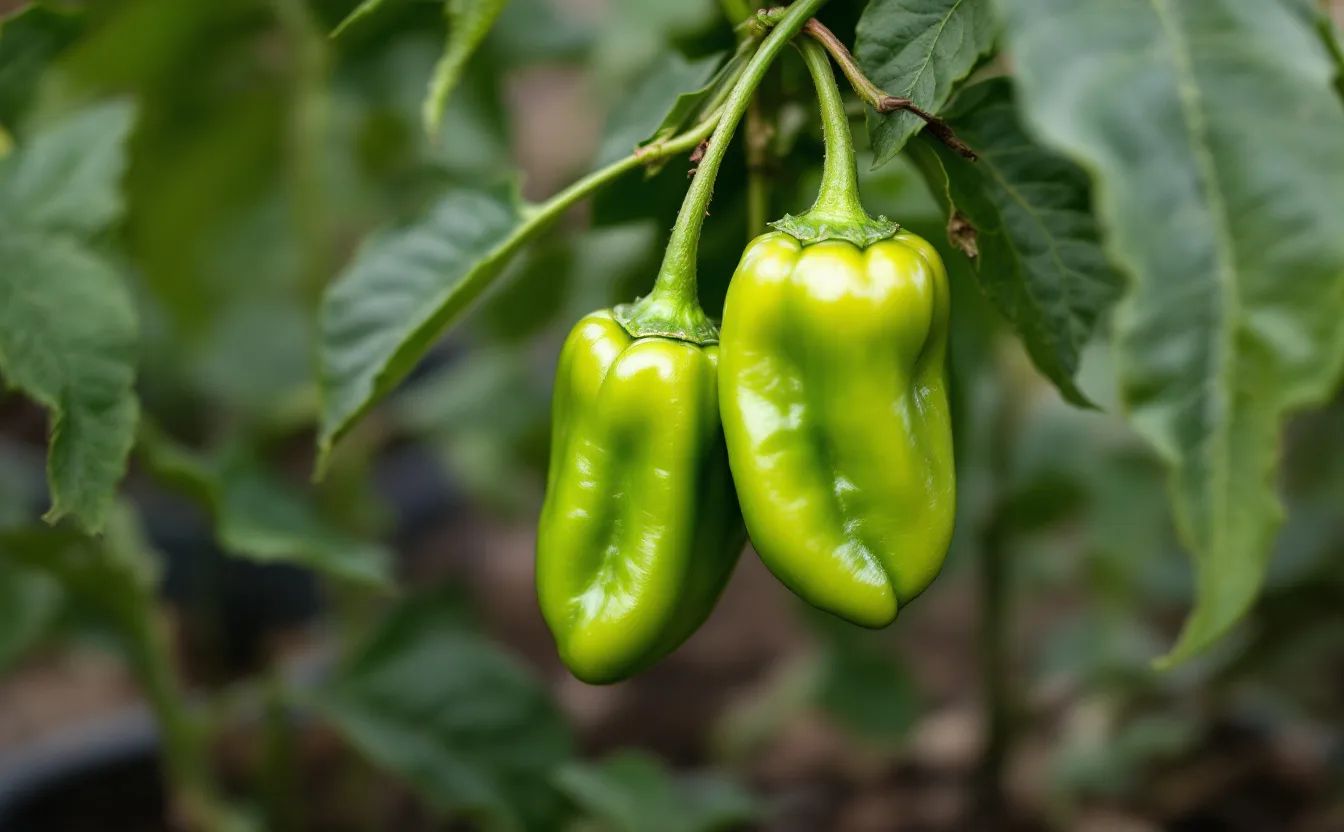
A pepper packet can make an ambitious garden seem effortless. The fruits are compact, the colours inviting and the seed tray small. Yet peppers may occupy indoor growing space for a substantial part of spring, then need a suitable warm season to produce the harvest you intended. Choosing fewer varieties with clear purposes makes that long plan easier to manage.
Begin with how you will use the crop. A green cooking pepper, a fully coloured sweet pepper and a drying chilli are different harvest goals. They may require different amounts of time on the plant, even before you consider differences between varieties.
Choose the harvest before the seed
List the forms of pepper you actually cook with. If you mostly use mild green peppers, a collection chosen for extreme heat or unusual colour may not serve your kitchen. If you want mature red fruit for drying, allow for the time and suitable conditions needed to reach that stage.
Read the supplier's description carefully. Days-to-maturity figures are measured under particular conditions and may begin at transplanting rather than sowing. Two catalogue numbers are not necessarily directly comparable. Ask what harvest stage the figure describes when that distinction matters.
The Ancho Poblano, Hungarian Hot Wax and Pepperoni Lombardi references explain how to approach familiar names without inventing exact heat levels or maturity guarantees for an unverified seed lot.
Work with the season you have
Look for locally relevant growing information and consider the warm part of the season, not only the frost-free period. A garden can be free of frost while still being cool enough to slow pepper growth. Sheltered conditions may help, but they should not be treated as a guarantee of a tropical growing environment.
If your season is short, prioritize varieties and harvest stages suited to it. Buying a healthy transplant may be more practical than maintaining a very early indoor sowing when you lack light and space. The decision is about the complete growing process, not whether seed starting is inherently better.
Use the seed planner to estimate an indoor window, then check the variety instructions. The pepper setting deliberately uses a longer indoor lead than the cucumber setting. It remains an estimate, and local weather can delay the final move outside.
Choose for the job
A few useful features to look for before buying.
Weather-resistant plant labels
Enough writing room for variety and sowing date matters more than decoration.
Read the buying checklist →Deep, reusable seed modules
Look for firm walls, open drainage and a tray that fits your shelf. Small cells need earlier potting on.
Read the buying checklist →Give germination appropriate conditions
Peppers need suitable warmth and moisture for germination. Check the packet's instructions and measure conditions if you are using a heated setup. A room's air temperature may differ from the temperature of the medium on a cold shelf.
A heat mat should be suitable for propagation, used according to its instructions and managed with appropriate control. Do not improvise heating with equipment that was not designed for the purpose. Keep water and electrical connections safely separated.
Label sowings with variety and date. Emergence can be uneven, and forgetting when a tray was sown makes it harder to judge whether more patience or investigation is needed. Avoid repeatedly disturbing the seed to check for growth. Inspect the surface conditions and keep a record instead.
Plan the light after emergence
Warmth may encourage germination, but seedlings need adequate light once they emerge. A warm, dim room can produce weak growth. Put the light arrangement in place before sowing rather than treating it as a later purchase if the seedlings begin stretching.
Compare coverage and mounting distance with the actual tray area. If plants on the edges receive less useful light, reorganize the shelf rather than assuming the whole tray experiences the same conditions. Our small seed-shelf light guide offers a purchasing checklist.
Keep the number of plants within the space available after potting on. Peppers may remain indoors long enough that this later stage dominates the setup. Six well-managed plants are more useful than twenty crowded ones with no clear destination.
Pot on without losing the labels
Check roots and plant growth regularly. Move seedlings into suitable containers when they need more space, using an appropriate growing medium and careful handling. Prepare the new pots before disturbing the old ones.
Keep labels with the plant through every move. Pepper seedlings can look similar, and the harvest may be months away. If heat level matters to the kitchen, lost identities become more than a minor inconvenience. Use a second written map of the arrangement as a backup.
Nutrition should follow the medium and crop needs. Read any nutrient information on the growing-medium bag and follow feeding directions. Heavy feeding cannot solve poor light, inadequate drainage or unsuitable temperature. When growth is disappointing, inspect those basic conditions first.
Make the outdoor transition gradually
Harden plants off before planting them into their final position. Introduce outdoor conditions in manageable stages, protecting seedlings from sudden strong sun, wind and cold. Continue checking water because small pots can dry quickly outside.
Choose a planting day and period that fit the forecast. A calendar date is not sufficient reason to put tender plants into cold soil. If conditions remain poor, delay and maintain the plants in a suitable protected space.
Water appropriately at planting and keep the root zone from cycling through extremes. Install any needed support early. Pepper branches carrying fruit can need help, especially in exposed positions, but ties should allow stems to grow without being constricted.
Use containers deliberately
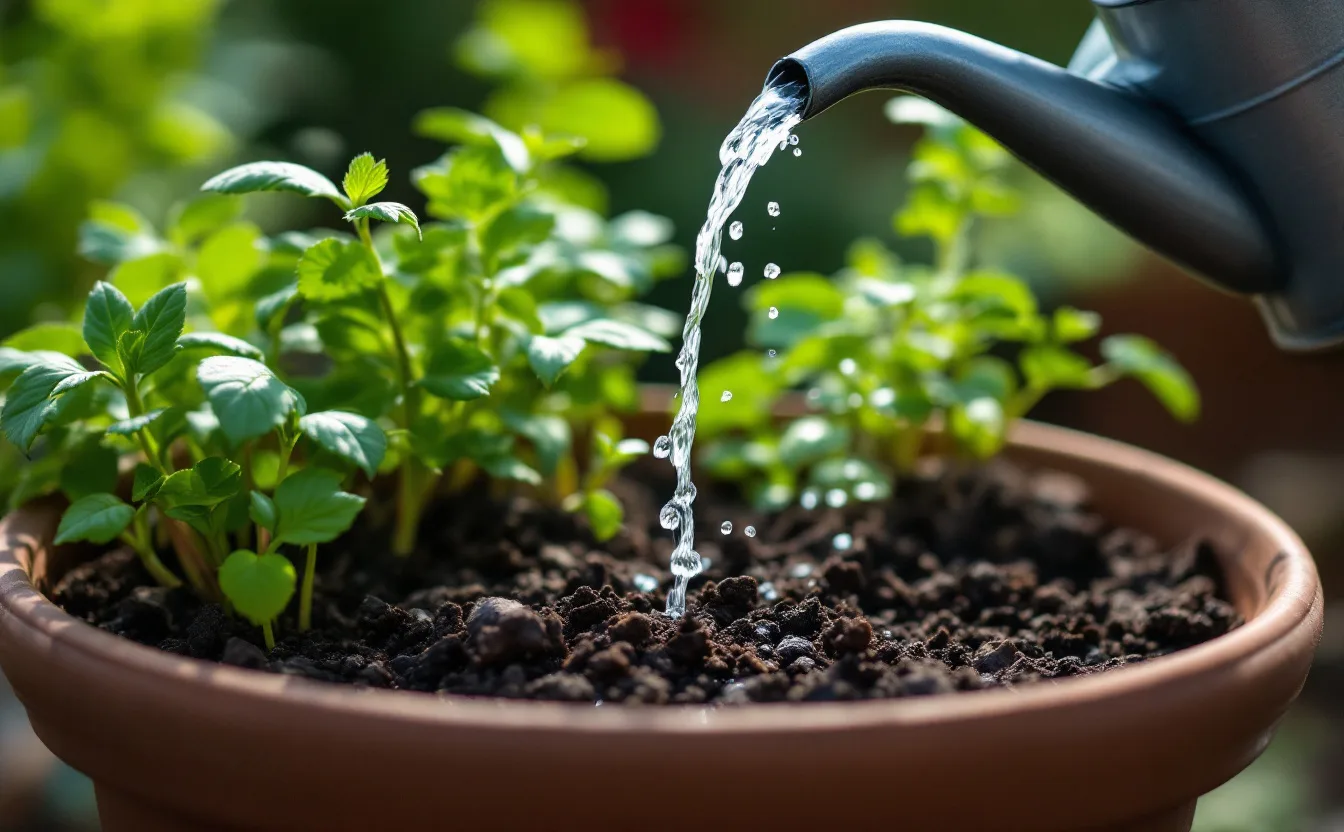
A pot can offer flexibility, but it also limits the root environment and depends on regular care. Choose a container suitable for the expected mature plant, with drainage and enough stability for its location. Avoid treating every pepper as a miniature windowsill crop.
Place pots where you can inspect and water them easily. A container beside a warm wall may behave differently from one on an exposed edge, even within the same patio. Keep a note of those differences when comparing varieties.
If you plan to move pots for shelter, consider their filled weight. A large container that cannot be moved safely is effectively a fixed bed. Plan the support, watering route and harvest access around that reality. The container guide provides a wider framework.
Watch flowers and fruit without promising yields
Flower production does not guarantee that every flower will become a harvestable fruit. Temperature, plant condition and other factors affect fruit set and development. A short period with few fruits does not automatically mean the variety is defective.
Observe the whole plant. Is it growing steadily? Are leaves healthy? Is the medium remaining consistently workable rather than waterlogged or dry? Record weather changes and any feeding or watering adjustments. This helps separate a seasonal response from a persistent problem.
Avoid applying treatments solely on the basis of an online photograph that looks vaguely similar. For unusual symptoms, seek a locally relevant plant-health diagnosis. Use any garden product only according to its label and local rules, including the crop and harvest restrictions.
Handle hot peppers thoughtfully
The heat of a named pepper can vary, and a general name is not an exact measurement of an individual fruit. Do not present a catalogue range as a guarantee. Keep hot and mild varieties identified through harvest and storage.
Use appropriate kitchen precautions when handling hot peppers, particularly when cutting several at once. Avoid touching eyes or sensitive skin, wash equipment and keep the preparation area away from children and pets. A gardening article should not encourage tasting an unknown pepper to establish its identity.
Preservation methods require their own reliable guidance. Drying, fermenting and canning are not interchangeable processes. Use recognized food-safety instructions for the method you choose rather than assuming that the pepper's heat makes any preparation safe.
End the season with a smaller, better list
Record which varieties reached the harvest stage you wanted, not only which formed fruit. A plant that produced plenty of green peppers may still be a poor fit if your aim was mature fruit for drying. Note flavour, kitchen use and the amount of attention required.
Keep comparisons modest. A warmer corner or a larger container can influence the result. Your record is valuable for your garden without becoming proof that a variety will perform the same way everywhere.
Next season, repeat the useful plants and reserve a limited space for experiments. That balance leaves room for curiosity while protecting the practical harvest. A long-growing crop becomes easier when the plan is based on observations rather than an expanding pile of packets.
Further reading
University of Minnesota Extension: growing peppers covers core growing principles. For timing, combine local extension guidance, the seed supplier's instructions and your own records. The seed-starting workflow helps organize the indoor stages without buying equipment before its purpose is clear.
Keep it simple
A few useful features to look for before buying.
Weather-resistant plant labels
Enough writing room for variety and sowing date matters more than decoration.
Read the buying checklist →Deep, reusable seed modules
Look for firm walls, open drainage and a tray that fits your shelf. Small cells need earlier potting on.
Read the buying checklist →