
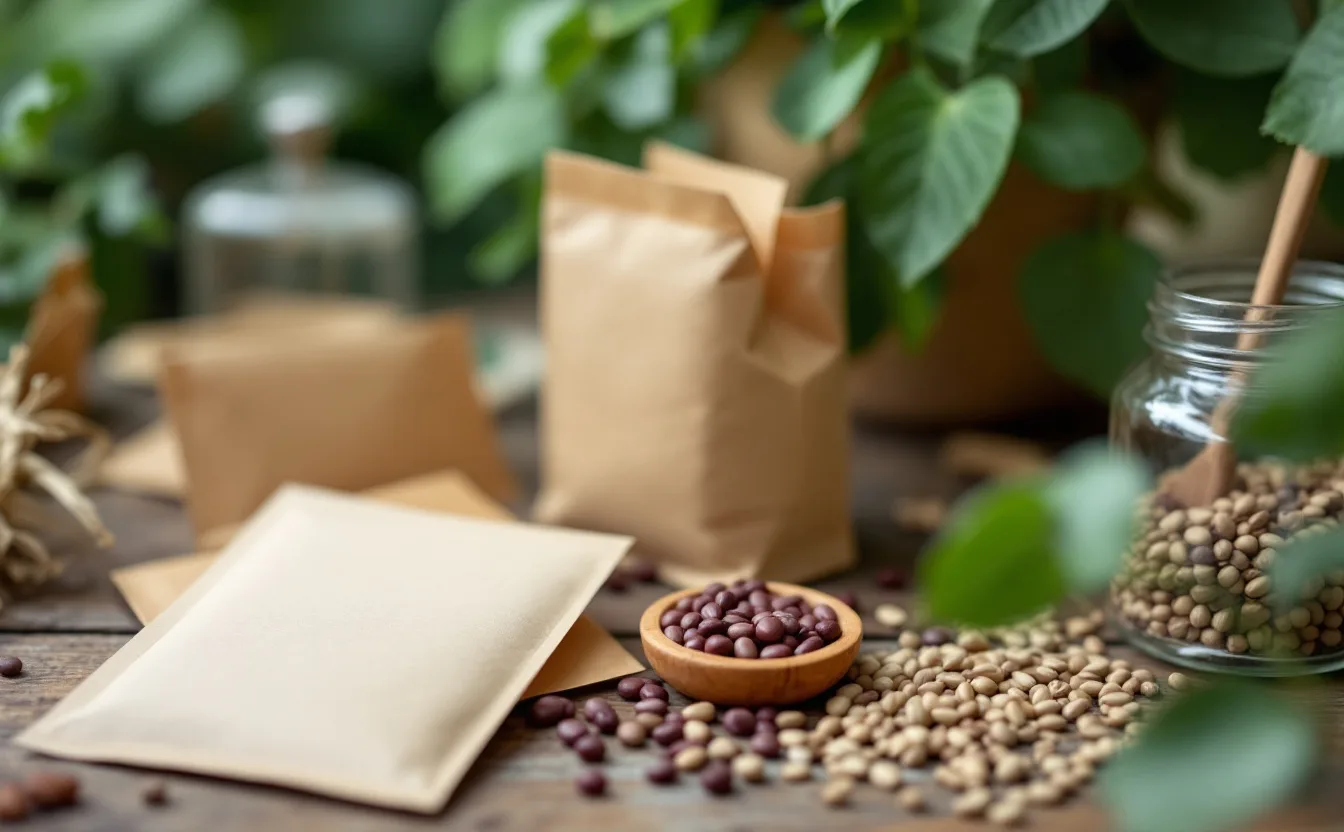
A seed swap is most useful when people can understand what they are receiving. A packet with a clear crop name, source and date is more valuable than a generous handful with a vague promise. Prepare the information before attending, and check the actual organizer's current rules and event details.
This page is a planning guide. Grainier Garden does not operate an event calendar, accept event bookings or claim that a historical event is still running.
Make an honest label
Write the crop, variety if known, harvest or purchase year and source. For saved seed, add any uncertainty about crossing or identity. “Open-pollinated” does not establish that a particular lot remained isolated from compatible neighbours.
Keep experimental or uncertain lots clearly marked. Do not claim certification, disease freedom or guaranteed germination without a proper basis. If you cannot identify the seed sufficiently, do not distribute it as a named edible crop.
Bring a small, realistic wish list
Review the space and climate you have before collecting more seed. A rare or unfamiliar variety still needs a suitable season and a destination. Ask about mature habit and intended harvest, then verify species-specific information from a reliable source before sowing.
Avoid collecting packets simply because they are free. Too many options can lead to overcrowded trays and a garden full of plants you do not use. Our seed planner helps connect plant numbers to a sowing plan, while the kitchen-garden directory provides crop context.
Choose for the job
A few useful features to look for before buying.
A watering can with a fine rose
A removable rose makes cleaning easier. A gentle pattern disturbs small seeds less.
Read the buying checklist →Deep, reusable seed modules
Look for firm walls, open drainage and a tray that fits your shelf. Small cells need earlier potting on.
Read the buying checklist →Respect local restrictions
Plant movement, invasive species and noxious-weed rules vary by location and can change. Check the relevant local authority and organizer's requirements, especially before moving seed across borders. An informal exchange does not remove those obligations.
Keep treated seed clearly identified with its original warnings. Do not repackage it in a way that loses safety information. Separate seed from food and label it so children or other attendees cannot mistake it for something to eat.
Ask questions that preserve the record
Useful questions include where the seed came from, when it was harvested, how it was stored and whether the grower observed variation. Record the answers on the packet or in a notebook. Do not convert an anecdote into a universal yield or resistance claim.
A germination test can be helpful, but its date and conditions matter. A percentage without a sample size or method is incomplete. If the lot is important to your season, run an appropriate check yourself and keep a backup plan.
Store the seed when you return
Do not leave packets in a warm car or a damp gardening bag. Sort them promptly, update your inventory and choose a suitable storage place. The seed-storage guide explains the routine in more detail.
For general seed-saving principles, consult Seed Savers Exchange's educational resources and local horticultural guidance. For an event, rely on the real organizer's current information. Old links and archived dates should never be treated as an invitation to travel or submit a payment.
Keep it simple
A few useful features to look for before buying.
A watering can with a fine rose
A removable rose makes cleaning easier. A gentle pattern disturbs small seeds less.
Read the buying checklist →Deep, reusable seed modules
Look for firm walls, open drainage and a tray that fits your shelf. Small cells need earlier potting on.
Read the buying checklist →