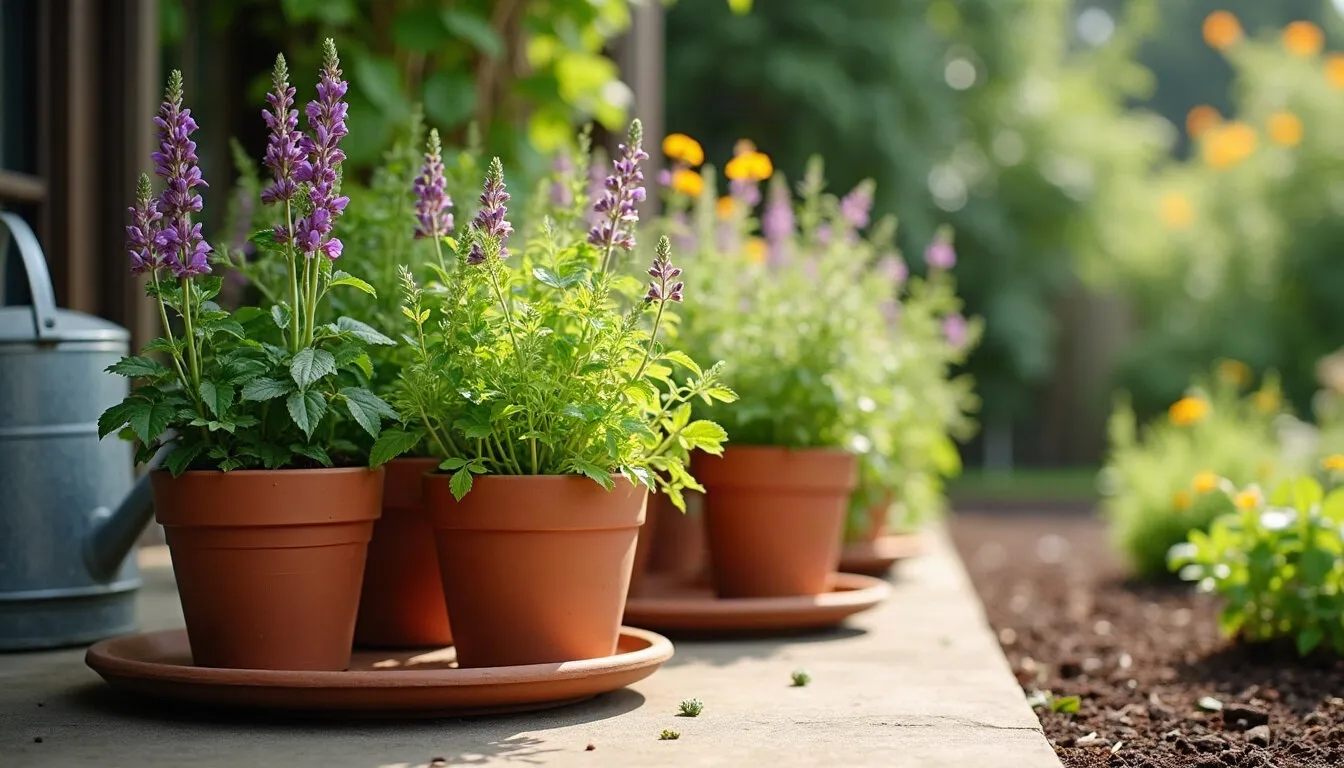
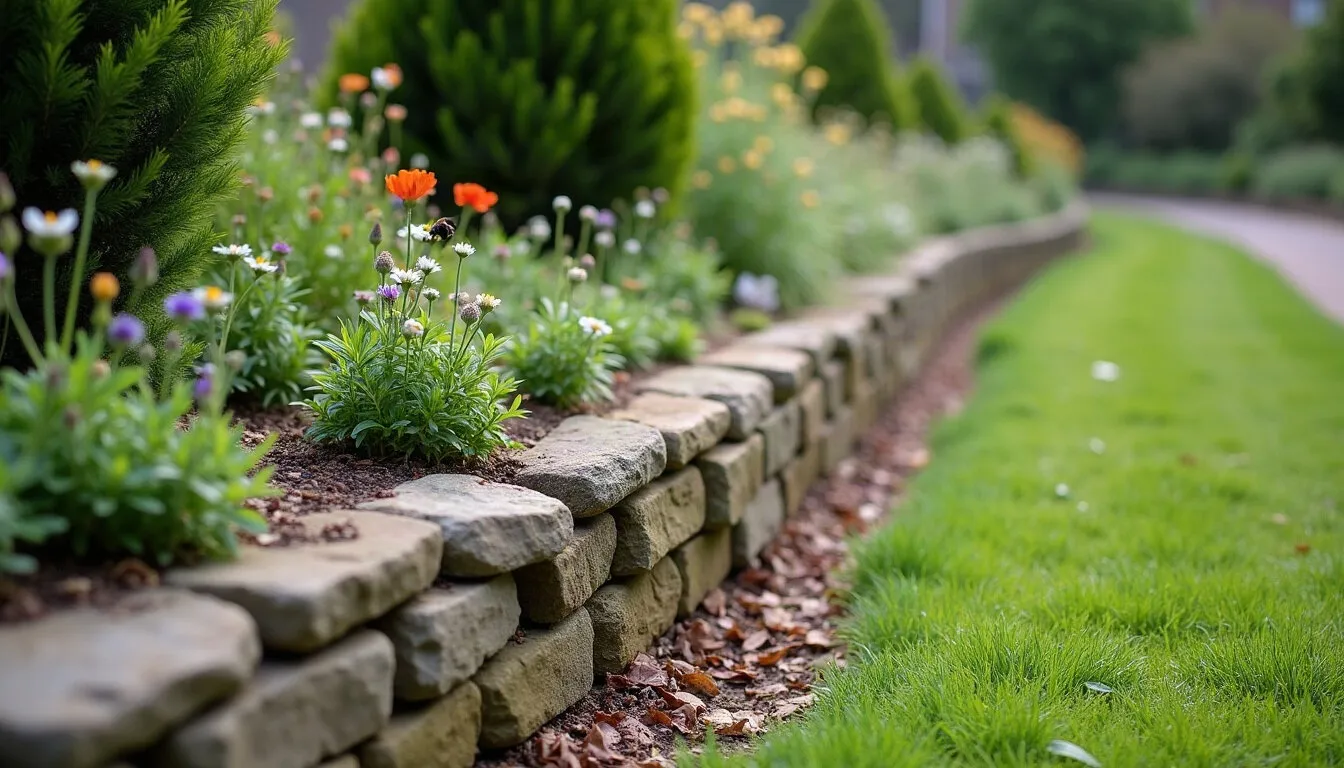
Sit near a sunny stone edge on a warm afternoon and watch it for ten minutes. A bee works the flowers spilling over the top, a beetle slips into a gap between two stones, and the soil behind stays a little warmer than the open lawn. A well-made masonry edge holds a border in place and gives small visitors somewhere to shelter. If a wall or raised edge is part of your plan, the Nashville general masonry contractors local homeowners talk to can explain what a sound one involves.
The gardener's part is the planning: where the edge goes, what it will hold back, and how planting and wildlife will use it. Around Nashville, with its humid summers and heavy downpours, water and soil movement shape that plan as much as looks do.
Back of the packet
- Best time: autumn or winter, while the border is quiet
- Effort: a weekend of planning, professional build time
- You'll need: string, pegs, a notebook, a spade
- Watch for: pooling water, leaning edges, soil washing onto paths
Look at the border through the seasons
Before any edge is drawn, spend some time looking at the border as it is. Many gardeners find that a few weeks of watching shows more than a day of measuring.
Walk the length of the bed after rain. Notice where water runs off, where soil washes onto the path, and where puddles stand for a day or two. Look at the slope: a border that sits higher than the lawn or path is already asking for something to hold it in place.
Then look for life. Note where bees and butterflies gather, which corners stay sunny in the afternoon, and where birds forage in leaf litter. A short list helps:
- Water: where it runs, where it pools, how fast it drains
- Slope: which side is higher, and whether soil is creeping
- Sun: the warmest stretch of the border, and the shadiest
- Visitors: where insects and birds spend the most time
- Use: where feet cross, mowers turn or a hose gets dragged
These notes will shape both the edge and the planting that goes with it.
Plan an edge that suits the slope
A low edge on level ground is mainly about keeping soil, mulch and lawn apart. A wall that holds back a slope or a raised bed is a different thing: it carries the weight of wet soil and has to manage water behind it. That second kind is work for a professional, because a wall that holds back earth is a structure, and the details that make it last are not obvious from the front.
Use your notes to describe what you want the edge to do:
- Hold soil back where the border is higher than the path or lawn
- Give a clean line for mowing and walking
- Leave room for planting along the top and the face
- Keep water moving away from the house and out of the bed
When you talk to a contractor, share those aims along with the slope and drainage you saw. A good contractor will look at the ground, explain how water will be handled, and talk through the options for the height and type of edge. Questions of depth, footing and drainage behind the wall are theirs to answer.
| Edge type | Suits | Effort | Watch for |
|---|---|---|---|
| Laid brick or stone edging | Level beds, crisp lines | Moderate | Frost heave, weeds in joints |
| Low dry-stacked stone | Gentle slopes, wildlife gaps | Higher | Stones shifting over time |
| Mortared low wall | Raised beds, formal borders | Professional | Water trapped behind it |
| Retaining wall | Real slopes, terraces | Professional | Bulging, cracks, poor drainage |
Choose for the job
A few useful features to look for before buying.
Emboss-O-Tag metal labels, 50 pack
A set of 50 aluminum-faced labels that you indent with a ballpoint pen or pencil. Attach them to separate stakes or tray supports using the supplied ties; keep wire away from growing stems. Test one label for readability before marking the batch.
Read the buying checklist →Fiskars Ergo planting trowel
A cast-aluminum head and shaped handle for small planting holes and potting work. Check the grip in your hand if possible, and use a fork or spade for ground that needs prying.
Read the buying checklist →Prepare the bed while the work is planned
While the edge is being sorted, there is useful gardening to do. Lift and pot up any plants that sit where the line will go, keeping them shaded and watered until they can return. Mark the new line with string and pegs, and leave it in place for a week or two so you can see how it feels to walk and mow around.
This is also a good time to improve the soil inside the border. Adding well-rotted compost or leaf mould helps a heavy clay soil drain and gives new plants a better start. Keep the soil you lift in one place, covered, so it can go back into the bed rather than across the path.
Think about access for whoever builds the edge. Clear a route from the gate or drive, move pots and benches, and protect any plants you want to keep nearby. A tidy, open working space helps the job go smoothly.
Plant the edge for colour and cover
Once the edge is built and settled, it becomes part of the planting. The top of a low wall or the gaps in dry-stacked stone suit plants that like sharp drainage and warmth. Low, spreading plants can soften the line and give insects a long run of flowers.
Look for plants that flower at different times, so the edge has something open from spring into autumn. Many gardeners use creeping thyme, low sedums or small campanulas along the top of a sunny wall, and taller flowers behind. Check a local list before deciding which plants are native or well suited to your area; what thrives in middle Tennessee may not be what a national catalogue suggests.
Leave some gaps unplanted. Bare crevices and the space at the foot of the wall give beetles, spiders and other small creatures somewhere to hide. A little leaf litter along the base, rather than a perfectly swept line, can make the edge more welcoming to them.
A tool for this part of the job
A few useful features to look for before buying.
Emboss-O-Tag metal labels, 50 pack
A set of 50 aluminum-faced labels that you indent with a ballpoint pen or pencil. Attach them to separate stakes or tray supports using the supplied ties; keep wire away from growing stems. Test one label for readability before marking the batch.
Read the buying checklist →Tend the edge and watch who arrives
A new edge needs a season to settle, and so does the planting. Water new plants along the top more often than those in the bed, because stone and brick dry out quickly in summer heat.
Walk the edge after heavy rain, as you did before. Look for:
- Soil washing over the top or through the joints
- Water pooling at the base or behind the wall
- Stones or bricks that have moved or loosened
- Cracks, bulges or a lean that was not there before
Small things, such as a weed in a joint or a loose capping stone, are part of normal upkeep. A lean, a bulge, or water bursting through the face are signs to call the contractor back rather than to patch it yourself.
Keep watching the visitors too. Over a few weeks you may notice bees working the flowers on the top, birds hunting along the base, and insects sheltering in the gaps. Write down what you see before changing anything; the edge may be doing more for the garden than its neat line suggests.
Keep the edge part of the garden year
Through the year, the edge settles into the routine. In autumn, leave seedheads on plants along the top for birds and let some leaves gather at the foot. In winter, check for frost damage after a cold spell. In spring, cut back tired growth and add a little compost to the bed behind.
Avoid piling soil or mulch high against the face of a wall, and keep heavy pots off the top unless the person who built it has said that is fine. Treat it as a structure first and a planting spot second.
The paths beside it deserve the same attention. Where a hose is dragged or a wheelbarrow turns, a corner of the edge takes knocks every week. A few stepping stones or a wider turn at that spot spares the wall and keeps the planting along its top intact.
For the garden book
Write down where water ran before the edge went in and how it behaves now, which plants settled on the top and which struggled, and what visitors you noticed through the season. Note who built the edge and any care advice they gave. Next year you will have a clear picture of how the border and its wall work together.
A sound edge, planted with care, gives the border a backbone and its visitors a place to stay.
Before you choose
A few useful features to look for before buying.
Emboss-O-Tag metal labels, 50 pack
A set of 50 aluminum-faced labels that you indent with a ballpoint pen or pencil. Attach them to separate stakes or tray supports using the supplied ties; keep wire away from growing stems. Test one label for readability before marking the batch.
Read the buying checklist →