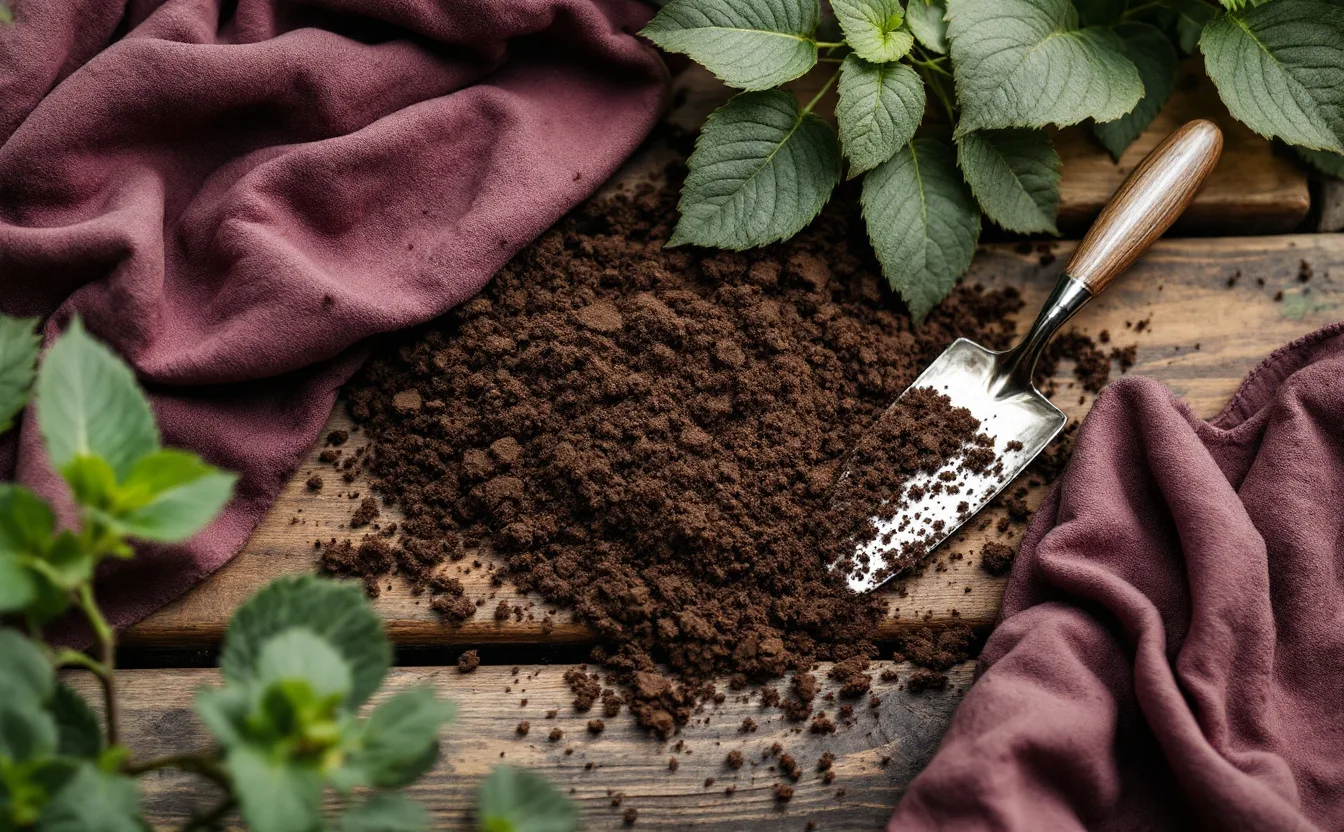
Fiskars Ergo planting trowel
Read the buying checklist →A cast-aluminum head and shaped handle for small planting holes and potting work. Check the grip in your hand if possible, and use a fork or spade for ground that needs prying.
Emboss-O-Tag metal labels, 50 pack
Read the buying checklist →A set of 50 aluminum-faced labels that you indent with a ballpoint pen or pencil. Attach them to separate stakes or tray supports using the supplied ties; keep wire away from growing stems. Test one label for readability before marking the batch.
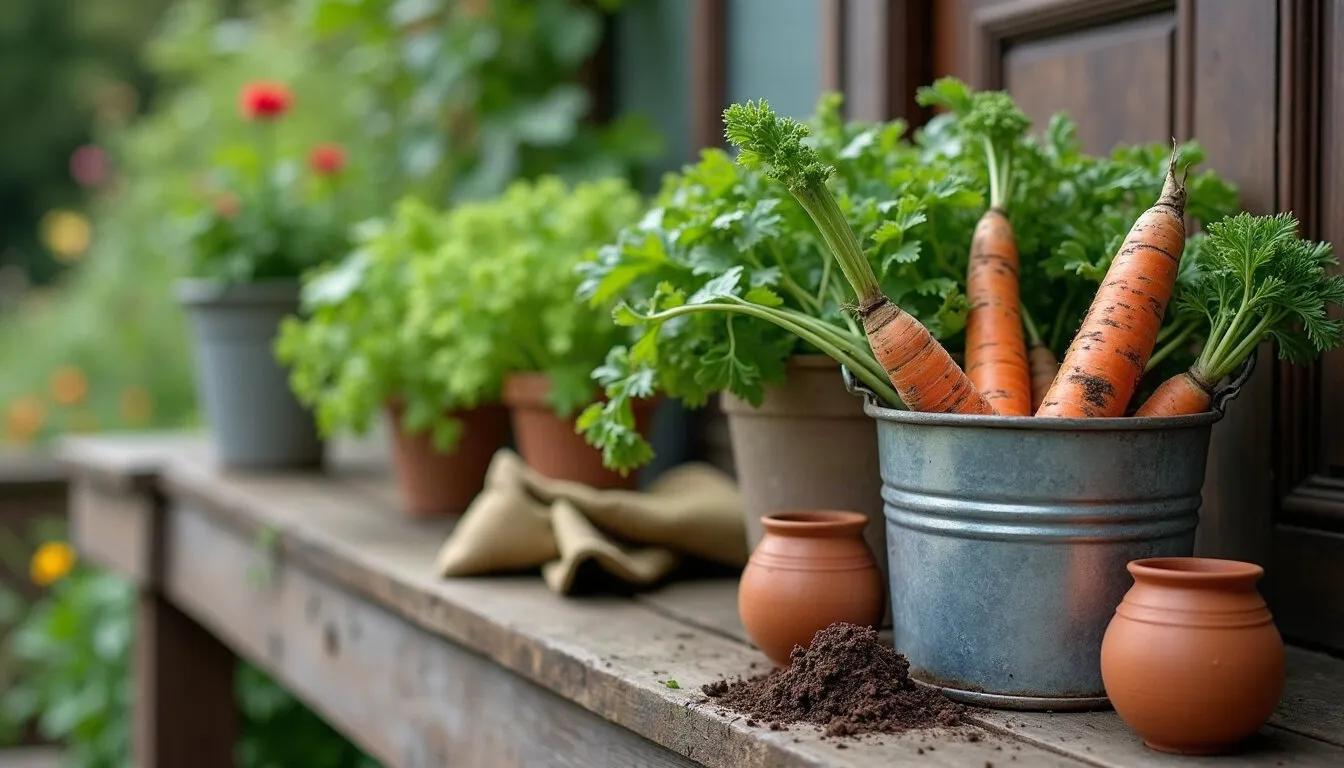
The first proper harvest of the summer usually arrives at the kitchen door in a bucket: lettuce with soil in its roots, a few muddy carrots. Within minutes the counter is gritty and the wall behind the sink is splashed with brown water. The garden is working, but the route from bed to kitchen is not.
This note plans a small rinse-and-prep corner where the garden meets the house, from the path outside to the wall behind the sink. If you're refitting that wall, what should you ask when looking at cream zellige tile or any other finish for a spot that gets wet hands, soil and steam several times a week?
Back of the packet
- Best time: late winter, before the busy harvest months
- Effort: a weekend of planning, plus any indoor refit
- You'll need: a notebook, a bucket, a walk round the house
- Watch for: soil carried in on boots and roots
Stand at the back door and look at the route
Start outside. Stand at the bed you harvest most often and walk to the kitchen with an empty bucket, as if it were full. Notice where you put it down, where you open the door, and where the first muddy footprint would land. That short walk tells you more about the layout than any drawing.
Many gardeners find the trouble is not the kitchen at all but the last few steps. A path that ends in bare soil, a step with nowhere to set a bucket, or a door that opens against the way you carry things all push the mess indoors. Look for:
- a firm, level spot by the door to rest a full basket
- a boot scraper or mat where the path meets the step
- somewhere to knock soil off roots before they come inside
- shelter from rain over the doorway, even a narrow one
- the shortest line from the beds to the sink, not the prettiest
Plan for the garden at its busiest, in late summer, when the beds are full and the harvest comes in daily. A route that feels fine in spring can turn into an obstacle course once squash vines spill over the edges.
Plan where the washing happens
Decide early how much cleaning you want to do outdoors. An outdoor tap with a simple bench next to it lets you rinse off most of the soil before anything crosses the threshold. Where winters freeze hard, that tap needs looking after in autumn, so ask a plumber about protecting it rather than guessing.
Indoors, the sink becomes the second stage. Leafy crops need a gentle wash, roots need a scrub, and herbs need little more than a shake and a quick rinse. Thinking in stages keeps most of the grit outside and leaves the indoor job small.
| Washing spot | Suits | Effort | Watch for |
|---|---|---|---|
| Outdoor tap and bench | Root crops, muddy leaves | Low, once set up | Frost on the pipe, a soggy patch underneath |
| Utility or mudroom sink | Bulk harvests, buckets | Medium | Space, drainage, a floor that can get wet |
| Kitchen sink | Herbs, salad, final rinse | Low | Splashes, soil in the drain, a busy counter |
Most homes end up with a mix. A sensible plan is to do the dirtiest work outside and keep the kitchen sink for the last rinse before cooking.
Prepare the wall and counter for wet, gritty work
The wall behind a sink used for garden produce gets more than ordinary splashes. It sees wet soil, the odd flick of a scrubbing brush, steam from a pan of blanching beans and plenty of wiping. Whatever finish goes there should cope with frequent cleaning and should be fitted properly so water doesn't creep behind it.
Zellige is a handmade glazed tile from Morocco, and its surface varies from piece to piece, which is part of why people like it. Before deciding on any tile for this spot, it helps to ask the seller and the installer a short list of practical questions:
- How should this tile be cleaned, and which cleaners should be avoided?
- Does the tile or the grout need sealing, and how often?
- Which grout colour will hide soil splashes without looking grubby?
- How should the edges meet the counter and the window frame so water runs off?
- Is the wall itself sound and dry enough to tile?
Colour matters more than you'd expect in a working corner. Warm, soft shades tend to sit comfortably next to wooden boards, terracotta pots on a sill and the greens of a fresh harvest. Very dark or very bright finishes can show every drip. Look at samples by the window in daylight, and wet one to see how it changes.
Have the tiling done by an experienced installer if you are not confident with wet-area work. A splashback that lets water behind it will cause far more trouble than any bucket of muddy carrots.
Do the work in a sensible order
Once the plan is settled, the order of jobs matters. Indoor refits create dust and disruption, so schedule them for the quiet part of the gardening year, when the beds are mulched and the seed orders are still being drawn up.
- Sort the outside route first: the resting spot by the door, the boot scraper and any outdoor tap work.
- Clear the sink area and decide what stays on the counter during harvest season.
- Have any plumbing changes made before the wall is finished, not after.
- Fit the wall finish and counter edges, then leave them to cure as advised.
- Add the small things last: hooks for colanders, a rack for drying gloves, a spot for a scrubbing brush.
If the indoor refit has to wait a year, the outdoor steps alone will cut the mess noticeably. There is no need to do everything at once; the route from bed to sink can improve in stages.
A note on the floor by the door
The strip of floor just inside the back door takes the worst of it. A washable mat that can be shaken outside, and a habit of leaving boots on the step, will protect almost any floor. If you are considering a new floor there, ask the supplier how it behaves when wet and gritty, because a slippery surface by a door is a real hazard when you are carrying a full basket.
A tool for this part of the job
A few useful features to look for before buying.
Fiskars Ergo planting trowel
A cast-aluminum head and shaped handle for small planting holes and potting work. Check the grip in your hand if possible, and use a fork or spade for ground that needs prying.
Read the buying checklist →Tend the corner through the season
A harvest corner works best when it is reset regularly rather than cleaned in one big push. Many gardeners find a short routine after each harvest is enough: rinse the bucket outside, wipe the splashback, clear the sink strainer and hang the gloves to dry.
Check the corner once a month through the growing season:
- Is soil building up in the drain or the sink strainer?
- Are grout lines or edges showing stains or gaps?
- Is the outdoor resting spot still level and firm?
- Has the doormat filled with grit and needed a shake?
- Is anything stored by the sink that should be kept away from food?
Garden products need particular care here. Fertilizer, slug treatments and anything else used in the beds should be stored away from the sink, the counter and the reach of children, and used as their labels direct. A prep area for food is not the place for a bottle that was handy on the way in.
Fit the corner to the crops you grow
The shape of the harvest decides a lot. A household that grows mostly salad and herbs needs a gentle rinse and somewhere to drain leaves. One that lifts potatoes, beetroot and carrots needs a sturdier scrubbing spot, ideally outside. A garden heavy on beans and tomatoes needs counter space for sorting more than for washing.
Look back at last season and write down what came in through the door most often. If it was mostly leaves, a colander rack by the window may matter more than a new wall. If it was roots, the outdoor bench earns its place first. Plan the corner for the crops you really grow, not for a magazine version of a kitchen garden.
Local climate plays its part too. In a hot, dry summer, harvesting early in the morning means produce comes in cool and needs quick handling. Where summers are wet, the route from bed to door will be muddier, and the outdoor rinse stage becomes more important. Check your own conditions rather than following a general rule.
For the garden book
This season, note which crops made the most mess on the way in and where the soil ended up. Write down how often you used the outdoor tap and whether the sink wall coped with the splashes. Those few lines will tell you next winter whether the route, the wall or the routine needs attention first.
A good harvest deserves an easy path to the table.
Before you choose
A few useful features to look for before buying.
Fiskars Ergo planting trowel
A cast-aluminum head and shaped handle for small planting holes and potting work. Check the grip in your hand if possible, and use a fork or spade for ground that needs prying.
Read the buying checklist →