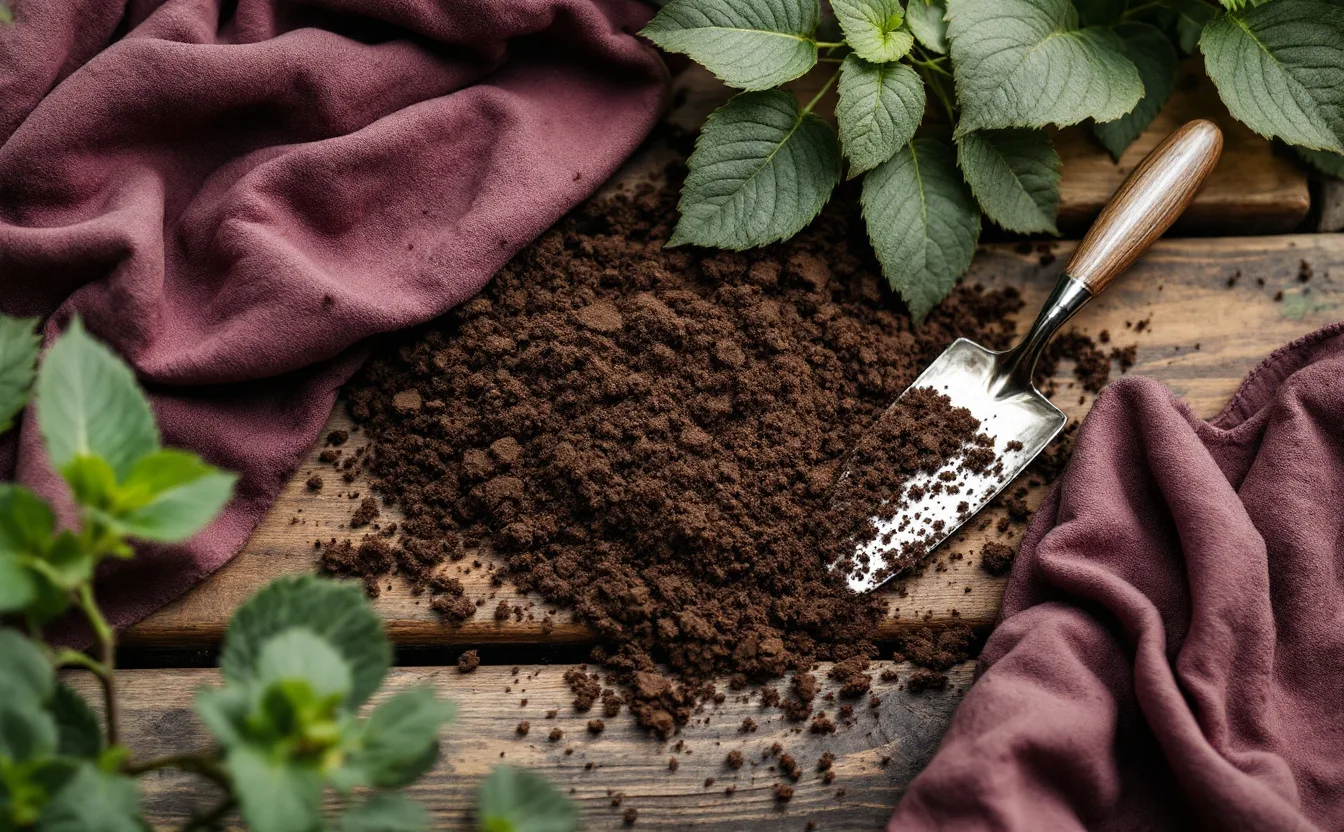
Fiskars Ergo planting trowel
Read the buying checklist →A cast-aluminum head and shaped handle for small planting holes and potting work. Check the grip in your hand if possible, and use a fork or spade for ground that needs prying.
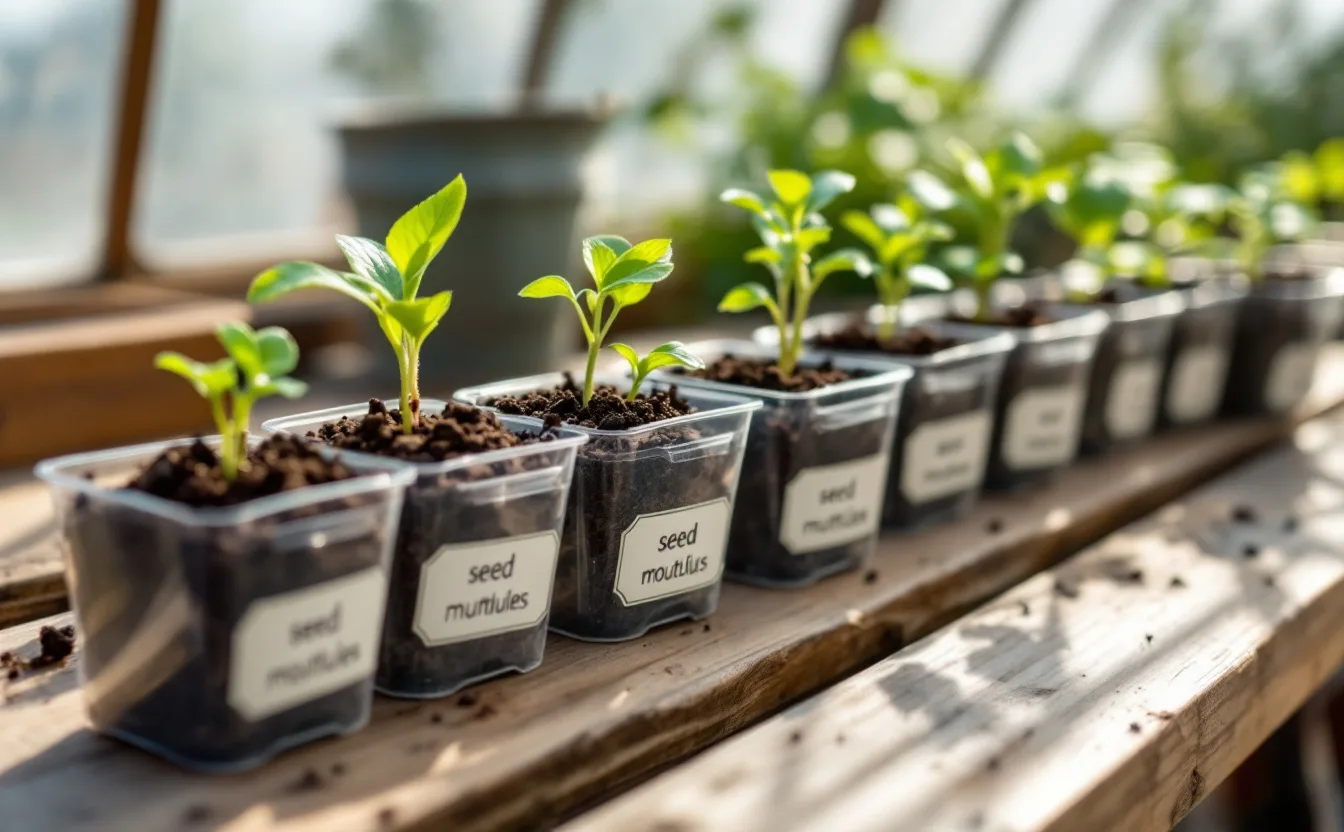
Emboss-O-Tag metal labels, 50 pack
Read the buying checklist →A set of 50 aluminum-faced labels that you indent with a ballpoint pen or pencil. Attach them to separate stakes or tray supports using the supplied ties; keep wire away from growing stems. Test one label for readability before marking the batch.
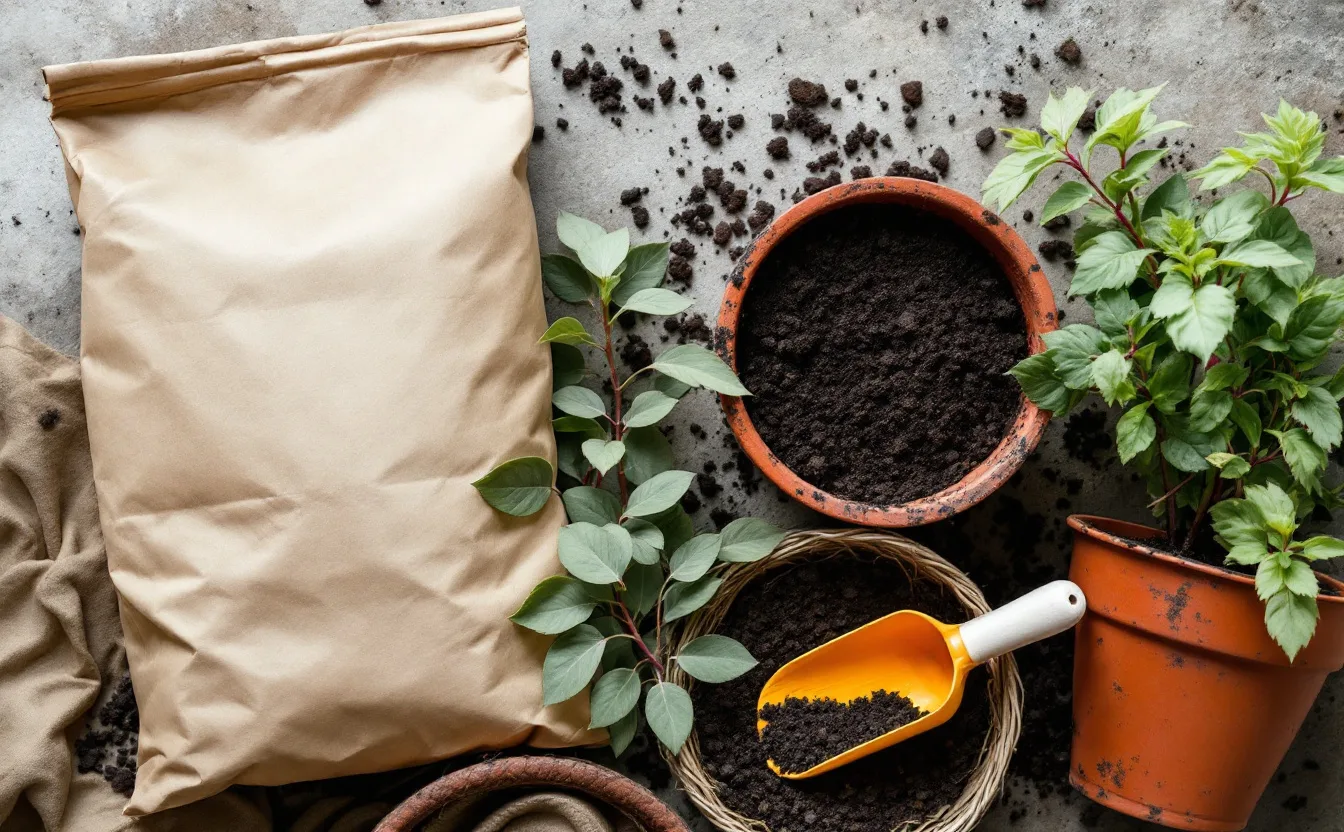
Two bags described as potting mix may behave differently in the same container. Ingredients, particle size, nutrient additions and intended use all matter. Read the bag as a specification rather than choosing solely by a familiar colour or a claim that it is suitable for everything.
Make a bag-to-container record
Before buying, turn the label into a short record with five entries: intended use, bag volume, nutrient additions, handling precautions and storage directions. Copy a qualification as well as a headline. If the label describes a product for established patio plants, do not shorten that to “all plants” in your notes. Preserve the product name and batch code so the record can be checked later.
For a hypothetical potting session, suppose six empty containers each have a stated capacity of three litres. Their combined nominal capacity is 18 litres. That is a shopping estimate, not an instruction to pour exactly three litres into each pot: root balls occupy space, the container may need a watering gap, and the stated capacity may describe a different fill level. Check the first filled container before opening a second bag. This avoids turning a simple volume calculation into unnecessary overfilling.
Now compare two hypothetical bags. One states that it is suitable for sowing; the other lists a nutrient programme for mature container plants. Choose between them by the job in front of you, not by assuming the more heavily described product is better. A peat-free label tells you that peat is absent, but it does not tell you that two blends have the same ingredients or watering behaviour.
Keep unused material identifiable and protected as directed. Do not combine partly used bags in an unmarked bin: you would lose the very information needed to interpret feeding and watering later. A photograph of the label plus a note saying which containers received it is a compact record worth keeping.
Read the ingredient list as a description of behaviour
The ingredient list can help explain why a mix behaves as it does, but it is not a complete performance test. Particle size, processing and proportions matter as well as ingredient names. Two products containing bark or coir may differ noticeably when watered. Avoid deciding that one ingredient is always good or always unsuitable without considering the formulation and intended use.
Look for the manufacturer's explanation of moisture retention and drainage. A statement about retaining water does not mean that the container should remain saturated. Roots need suitable conditions throughout the volume, and drainage holes must work. A layer of coarse material at the bottom should not be used as a substitute for an appropriate container and medium. Follow reliable container-growing guidance rather than relying on a familiar habit.
For a first trial, keep enough of the bag to identify the product later. Write the opening date and the crop receiving it. If the bag has a lot code, preserve it in a photograph or note. These details make a later question to the supplier more useful than saying that the green bag did not work.
Distinguish sowing from growing on
A tiny seed needs appropriate contact with the medium and a surface that can be managed without burying it too deeply. A rooted transplant in a larger pot has different physical and nutrient needs. A product advertised for mature container plants may contain larger particles or additions that are not intended for sensitive germination work. The word “multipurpose” should prompt a closer reading of the instructions, not end the decision.
Read the crop's sowing directions before preparing the container. Some seed is surface sown, while other seed requires covering. The medium and covering material should support that method. Do not strain or modify an unfamiliar mix extensively and then assume it still behaves as the manufacturer intended. If a specialist propagation product is needed, choose it for a specific reason.
After seedlings develop, reassess rather than automatically moving them into the largest available pot. Pot size, root development and the next growing period all matter. A small plant in a very large volume of wet medium may be harder to manage. The aim is a sensible progression, with watering adjusted to the new container instead of carried over unchanged from the seed tray.
Work out the volume before opening bags
Container volume is useful for shopping, although the amount of mix actually used varies with shape, root balls and the filling level. Make a list of the containers you plan to fill and use their stated capacity where available. Allow for the space occupied by existing roots and any required watering space at the rim. Do not fill to the lip simply to use up the bag.
A rough estimate is better than an impulse purchase of several extra bags. Unopened storage still requires suitable conditions, and an old collection of partly used products becomes difficult to identify. If you need only a small amount, compare the usable quantity and storage burden as well as the price printed on the shelf.
Prepare the work area before cutting the bag. Read the handling precautions, avoid unnecessary dust and use protective equipment where the label requires it. Keep food, drinks and children's play equipment out of the work area. Wash hands after handling garden materials. These habits are easier to maintain when the task is arranged deliberately rather than squeezed into a kitchen corner.
A tool for this part of the job
A few useful features to look for before buying.
Fiskars Ergo planting trowel
A cast-aluminum head and shaped handle for small planting holes and potting work. Check the grip in your hand if possible, and use a fork or spade for ground that needs prying.
Read the buying checklist →Follow nutrient instructions through the first weeks
If a mix contains a nutrient charge, note what the manufacturer says about subsequent feeding. The stated period is guidance under particular use conditions, not a guarantee that every plant has identical needs. Crop growth, watering and container size can change how the system behaves. Follow the product and crop guidance together.
Avoid diagnosing every pale leaf as a shortage that requires more fertilizer. Watering, temperature, root condition and other factors can produce similar visible problems. Inspect the whole setup before changing several things. Adding nutrients to a plant whose roots are struggling in saturated medium may miss the actual cause.
Use a separate measuring tool for any fertilizer and follow its label. Record the product, dilution and date when you begin feeding. A note makes it less likely that two people will feed the same container independently or that a remembered weekly task will happen twice. Keep fertilizer products clearly separated from plain water containers.
Compare two mixes without changing everything else
If you want to compare products, use similar containers and plants in comparable positions. Label the groups and keep notes on watering and growth. A comparison between a shaded large pot and a sunny small pot says little about the medium alone. Even a careful small trial is an observation from your garden, not proof of universal superiority.
Describe what you see in practical terms. How readily did the dry surface wet? Did water pass through before the central volume was moistened? Did one container require a different checking frequency? Avoid assigning a simple score without recording the conditions behind it. The useful outcome is a better management decision for your own containers.
At the end of the trial, decide whether the product suits the routine you can maintain. A mix that requires close attention may be appropriate on a frequently checked propagation bench but awkward on a balcony visited only briefly. The best choice combines crop suitability, realistic care and clear instructions. A bag's broad promise should become a specific plan before it becomes a filled pot.
A useful first-container record
Choose one container as the reference for a new bag of medium. Write its size, crop, planting date and position, then note the first few watering observations. This is not a formal trial, but it gives you something more dependable than remembering that the bag felt different. Keep the empty packaging until you have copied the useful product information.
If you later ask the supplier a question, describe the actual setup and symptoms rather than asking whether the product is good. Include the crop stage, container drainage and any additions you made. A clear question is easier to answer and less likely to produce advice based on assumptions. Do not change the mix, fertilizer and watering method all at once unless a specific problem requires it; otherwise you lose the opportunity to understand which change helped.
Further reading
Keep the product name and batch reference with your notes. If the result is poor, record the conditions before assuming the medium alone caused it. See seed starting and container watering. University of Maryland Extension on growing media explains container-mix properties; the particular bag's instructions control its use.
Before you choose
A few useful features to look for before buying.
Fiskars Ergo planting trowel
A cast-aluminum head and shaped handle for small planting holes and potting work. Check the grip in your hand if possible, and use a fork or spade for ground that needs prying.
Read the buying checklist →