Tomatoes invite overconfidence at the seedling stage. A small tray can contain enough plants to overwhelm a modest garden, and every spare seedling seems worth keeping. The useful decision comes earlier: how many mature plants can receive enough light, root space, support and water in the place you have?
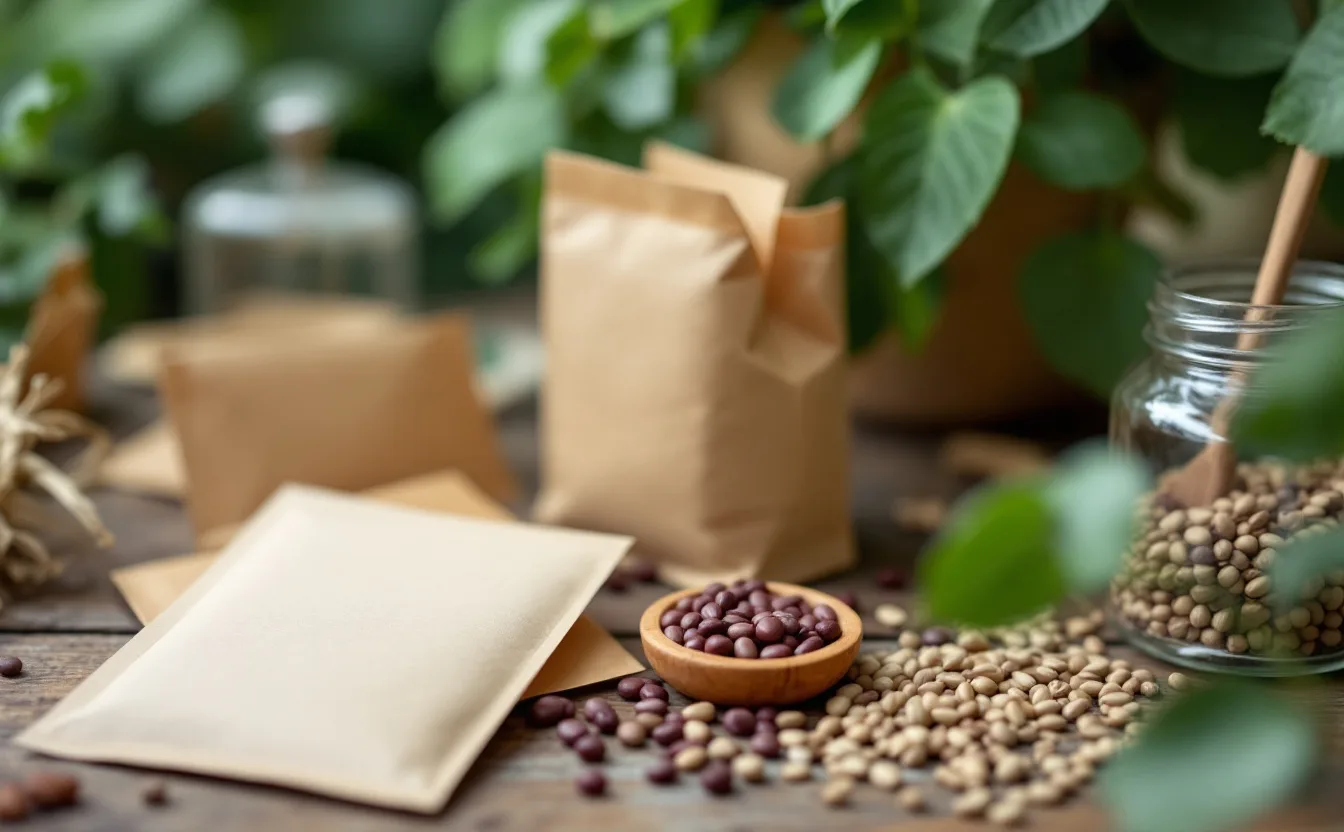
Plan that mature arrangement before choosing varieties. The seed packet's fruit photograph tells you what the plant may produce, but its growth habit tells you how it will occupy the garden. A compact plant and a tall vine need different handling even when both produce appealing fruit.
Read the habit before the flavour description
Look for information about whether the variety is determinate, indeterminate or a compact form with particular instructions. Those descriptions affect support, pruning and the length of the harvest period. Do not assume that every tomato should be trained to a single stem or that every compact variety needs no support.
A determinate plant generally has a more limited growth pattern; an indeterminate plant continues extending under suitable conditions. Neither term guarantees a particular size in every garden. The supplier's description, local experience and the growing method still matter.
If a historic variety name is unfamiliar, keep uncertainty visible. Our Vladivostok reference and Blue Pear reference distinguish the name on an old URL from verified seed-lot characteristics. Buy from a supplier that describes the actual seed being offered rather than treating a historical name as proof of performance.
Reserve the brightest suitable space
Tomatoes are fruiting crops, so a position that barely supports leafy growth may be disappointing for harvest. Observe the garden through the day and consider how surrounding plants will change its light. A sunny spring bed can become shaded once nearby trees and tall crops fill out.
Check access to water and the room needed to reach both sides of the plant. Dense planting can make inspecting fruit and foliage difficult. A narrow passage that works before growth begins can disappear behind stems and ties.
For containers, check the variety's suitability and provide enough root volume and stability. The support and mature canopy can make a pot top-heavy. Do not rely on the plant to hold the support upright. The container planning guide explains the tradeoffs in more detail.
Choose for the job
A few useful features to look for before buying.
Weather-resistant plant labels
Enough writing room for variety and sowing date matters more than decoration.
Read the buying checklist →Deep, reusable seed modules
Look for firm walls, open drainage and a tray that fits your shelf. Small cells need earlier potting on.
Read the buying checklist →Sow for a realistic transplant date
Starting extremely early can create large, stressed plants before outdoor conditions are ready. Work backwards from a locally appropriate planting window, allowing enough indoor time for the variety and conditions. Our seed planner uses a range to make that uncertainty explicit.
Use clean containers, appropriate medium and labels that identify the variety. If trying several types, a simple map of tray positions is a useful backup to physical labels. Do not place different varieties together without a way to keep their identities through potting on.
After emergence, provide suitable light and avoid crowding. A warm room with insufficient light can produce elongated seedlings. More fertilizer is not a replacement for light. Compare the plants' growth with the conditions and adjust one variable at a time where possible.
Pot on with a destination in mind
Move plants into suitable pots when root development and growth call for it. Prepare the space first so seedlings are not left exposed while you search for containers. Handle them gently, protecting the stem and roots.
Tomatoes can form roots along buried portions of stem under suitable planting methods, but that useful trait should not become an excuse to let seedlings stretch badly. A sturdy plant is easier to move and establish than one grown tall because the shelf was too dark.
Keep the later pot size in the indoor-space calculation. A tray of small cells can multiply into a bench full of individual pots. If you cannot accommodate that stage, reduce the number of plants or buy a few transplants instead. Growing from seed is an option, not an obligation.
Harden off before the move
Outdoor light, wind and temperature differ from a sheltered room or greenhouse. Introduce plants gradually, choosing protected conditions at first and increasing exposure as they adjust. Check the medium during this period because pots can dry quickly outside.
Watch the forecast and soil conditions rather than planting solely because the date has arrived. Frost is one concern; persistent cold can also hold tender plants back. Keep a workable sheltered space available if planting must be delayed.
Water the plants appropriately before and after transplanting and avoid leaving the root ball exposed to drying wind. Label the planted position as carefully as the seed tray. The value of comparing varieties disappears if the labels are lost before the harvest.
Install support before roots spread
Choose a cage, stake, string or other system that suits the plant habit and your site. Set it up early enough that installation does not repeatedly disturb established roots. The structure should be able to carry mature growth and fruit, not merely the weight of the young plant.
Tie stems with materials and methods that do not cut into them as they thicken. Check ties periodically. A support that was gentle in June may become restrictive later if it is never inspected. Keep sharp wire ends and unstable stakes away from paths.
Pruning depends on the variety and system. Removing every side shoot is not a universal instruction for all tomatoes. Read the supplier's guidance and a regional horticultural source. If you make a change, note what you did so the result can inform next season rather than becoming an unexplained memory.
Keep water supply reasonably consistent
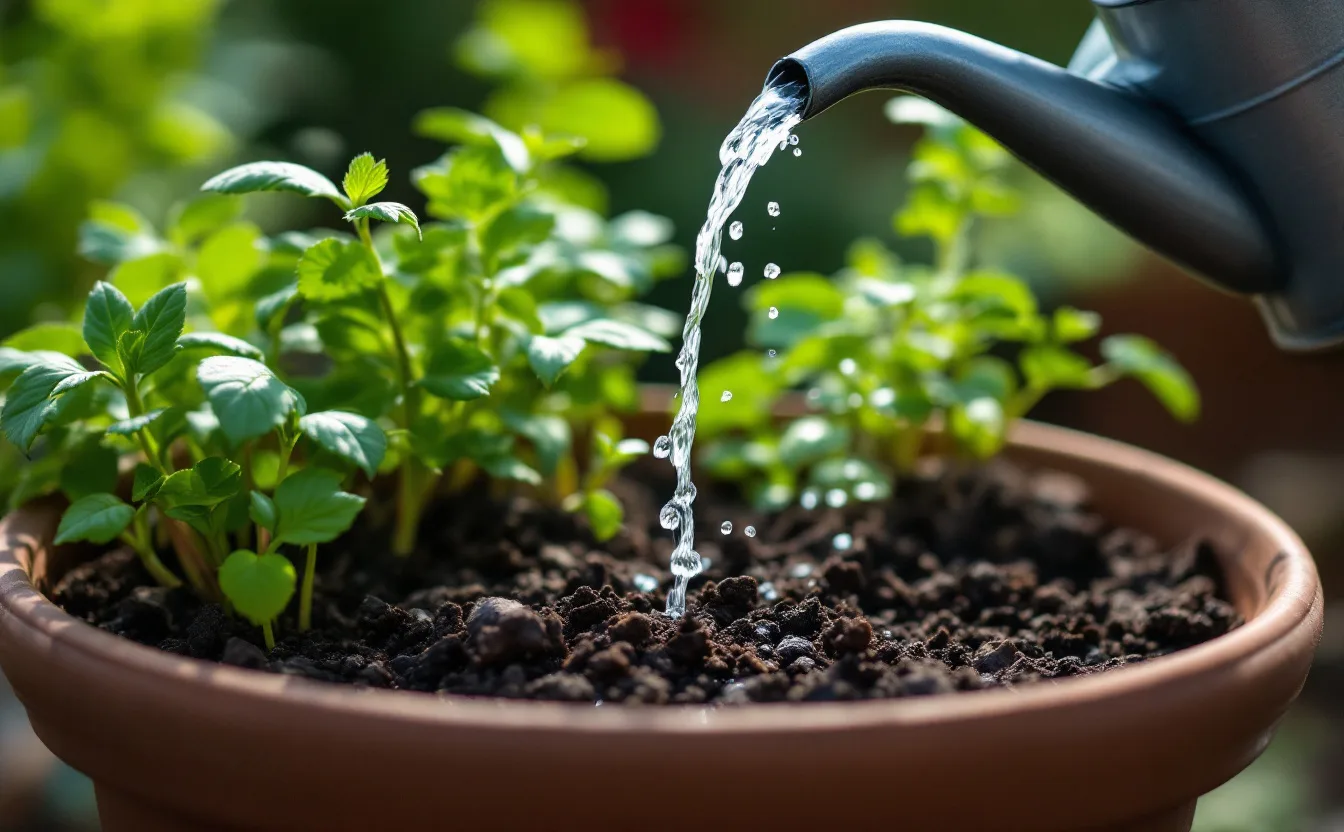
A plant's water demand changes as roots, leaves and fruits develop. Check the soil or medium and the weather rather than applying a fixed amount regardless of conditions. In containers, the limited root volume makes swings more immediate.
Water in a way that reaches the root zone. Avoid assuming that a brief shower has supplied enough moisture, especially beneath a dense canopy or a roof edge. Mulch can help manage the soil surface when used appropriately, but it does not remove the need to check moisture.
Cracking and blossom-end rot can involve water and growth conditions, among other factors. Do not treat every fruit blemish as a request for a bottled supplement. Check the pattern, consult a reliable diagnostic source and distinguish a physiological problem from an infectious disease before deciding what to do.
Inspect before a small problem spreads
Make a regular circuit of the plants. Look at lower foliage, new growth, stems and fruit rather than only the most visible ripe tomato. Notice whether symptoms occur on one plant, one side of the bed or the entire planting.
A useful record includes photographs, dates and the recent weather. Generated illustrations and general online descriptions are not diagnostic evidence. If a problem is unfamiliar, contact a local extension or plant-health service with clear information about the crop and conditions.
Keep tools and handling practices sensible. Avoid moving through wet foliage unnecessarily when disease spread is a concern, and remove material according to the diagnosis and local guidance. Do not apply a pesticide simply because a different garden used it. The label, crop approval and local rules control any product use.
Harvest for the way you will use it
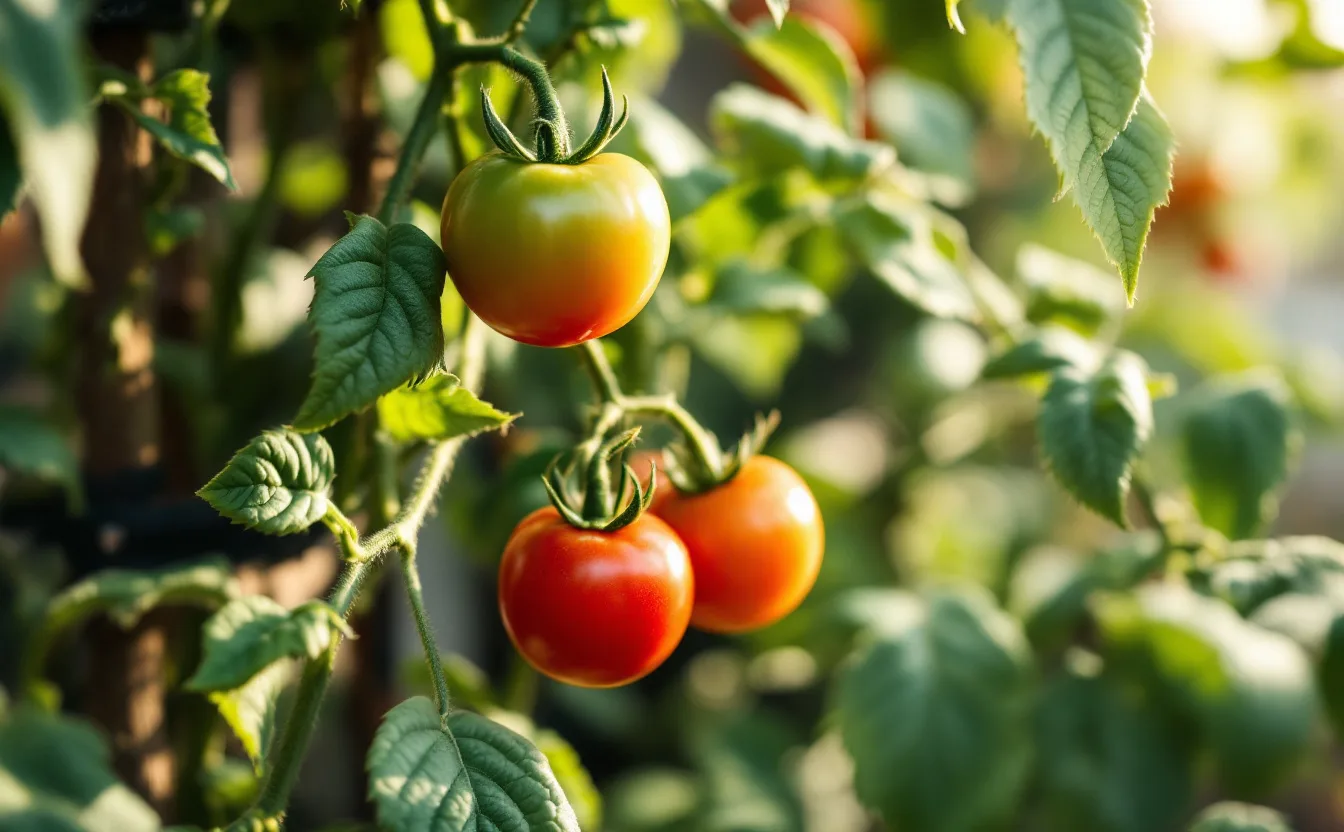
Inspect fruits regularly as they mature, and handle them without tearing the plant. Colour is variety-specific, so a red-fruited rule does not apply to every tomato. Learn the maturity cues for the seed lot you are growing.
Decide which fruits will be eaten fresh and which need processing soon. A garden plan should include the time available to use the harvest. Planting more than you can pick and prepare can turn a successful crop into waste.
For preserving or canning, use tested food-preservation instructions from a recognized authority. Do not improvise acidity or processing steps from a gardening article. Growing a tomato and safely preserving it are separate tasks, and this guide does not provide a canning recipe.
Keep a useful variety record
Record the supplier, variety name, sowing date, transplant date, support method and first useful harvest. Note flavour and kitchen use in your own terms. A variety that yields heavily but does not suit your meals may not deserve the same space next season.
Compare plants cautiously. Different positions, watering or planting dates can explain a difference that looks like genetics. A small home trial is valuable personal evidence, but it is not a replicated variety trial. Keep the observations specific rather than declaring a universal winner.
For seed saving, confirm whether the variety is open-pollinated and learn the relevant pollination and processing practices. Saving seed from an F1 hybrid does not reliably reproduce the original combination of traits. Our seed keeping guide covers the recordkeeping side.
Sources and next steps
University of Minnesota Extension's tomato guide provides a primary horticultural starting point. Use its principles with local planting advice rather than copying Minnesota dates into another climate. Read the seed-starting guide for propagation and the kitchen garden for related crop references.
Keep it simple
A few useful features to look for before buying.
Weather-resistant plant labels
Enough writing room for variety and sowing date matters more than decoration.
Read the buying checklist →Deep, reusable seed modules
Look for firm walls, open drainage and a tray that fits your shelf. Small cells need earlier potting on.
Read the buying checklist →